A Complete Guide to Book Everest Base Camp Trekking Early
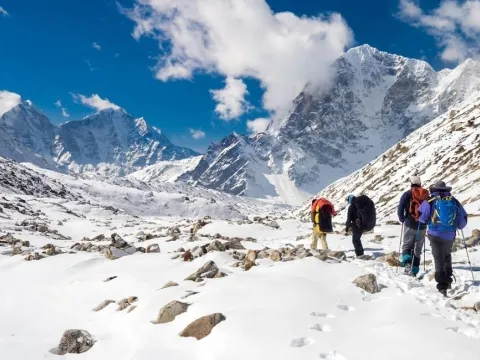
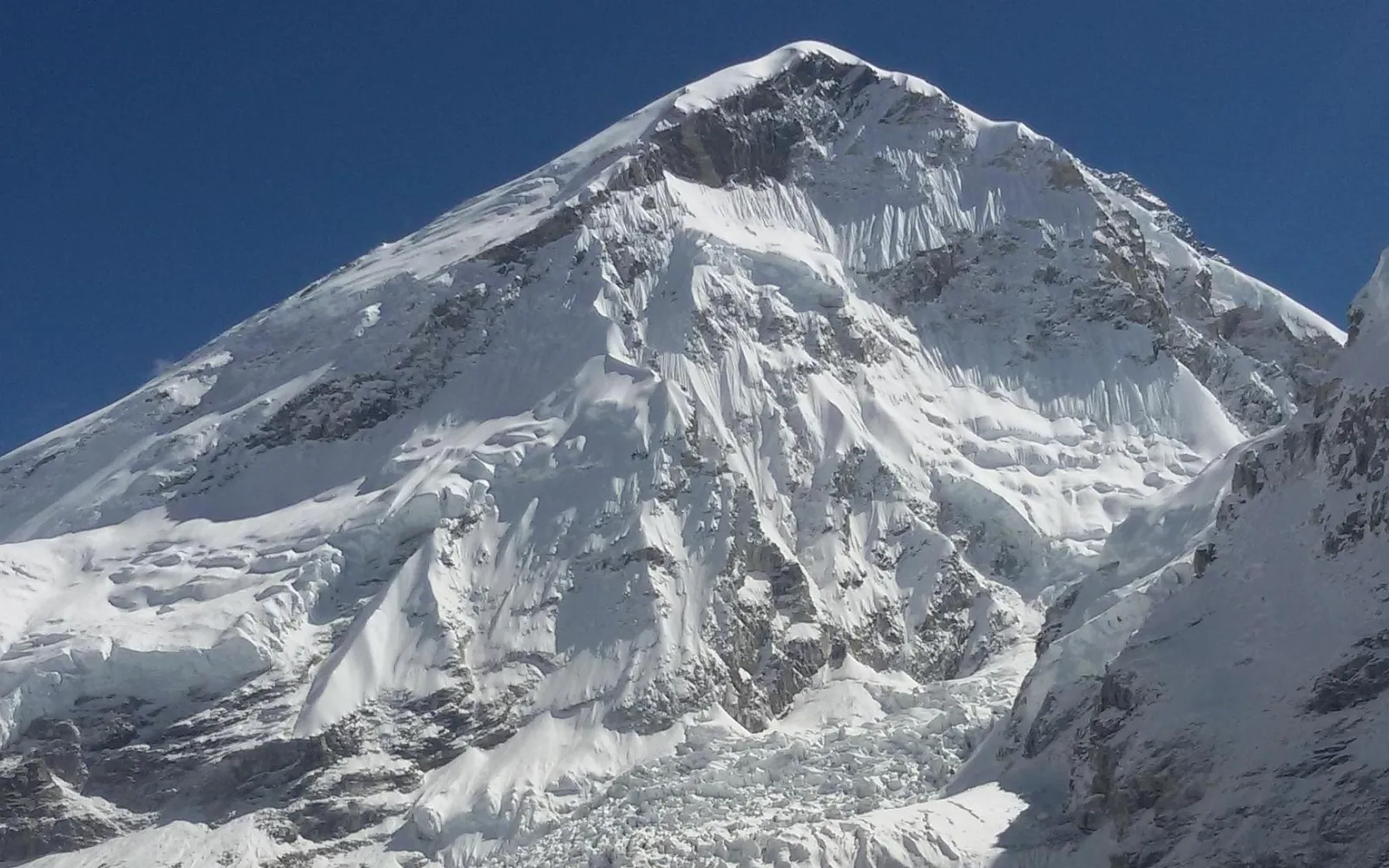
The Everest Base Camp Trekking is a dream adventure that takes you to the heart of the Himalayas and to the foot of the world’s highest mountain, Mount Everest (8,848.86 m). It is more than just a walk through Nepal’s rugged landscapes - it’s a spiritual and physical journey through Sherpa villages, Buddhist monasteries, and majestic alpine valleys. As travelers begin planning their adventures for 2026, the months of March, April, and May stand out as the most rewarding period to experience the Everest region. During these spring months, the weather is at its most stable, the skies are clear, and the trails are vibrant with blooming rhododendrons, offering ideal trekking conditions and spectacular mountain views.
If you are thinking of embarking on this legendary trek in 2026, this guide will help you understand everything - from the 14-day itinerary, to why spring is the best season, why early booking matters, the estimated cost, and a comprehensive packing overview to help you prepare effectively.
A typical Everest Base Camp Trek takes around 14 days to complete, allowing enough time for gradual acclimatization and enjoyment of the landscapes. The journey begins with a thrilling flight from Kathmandu to Lukla, a small mountain town nestled at 2,840 meters. From Lukla, you start trekking toward Phakding, a peaceful village along the Dudh Koshi River. The next day, the trail climbs through suspension bridges and pine forests toward Namche Bazaar, the bustling heart of the Khumbu region, where trekkers rest and acclimatize.
After a rest day in Namche, which includes a short acclimatization hike to the Everest View Hotel, the trail continues toward Tengboche, home to the region’s most famous monastery. From there, you ascend to Dingboche, surrounded by stunning peaks like Ama Dablam. Another acclimatization day in Dingboche helps your body adjust to the higher altitude before moving on to Lobuche and then to Gorak Shep, the final settlement before reaching Everest Base Camp (5,364 m). Standing at the base of the world’s tallest mountain is an indescribable moment - one filled with accomplishment and awe.
The following morning, trekkers climb Kala Patthar (5,545 m) to witness one of the best sunrise views over Everest and the surrounding peaks. After this highlight, the journey gradually retraces its steps down through Pheriche, Namche, and Lukla, where the trek concludes before flying back to Kathmandu. This 14-day route perfectly balances adventure, safety, and enjoyment, offering an unforgettable Himalayan experience.
Spring in Nepal - from March to May - is widely considered the most favorable season for trekking in the Everest region. During these months, the weather remains stable, the air is clear, and temperatures are moderate. The days are pleasantly warm for walking, while nights are cool but comfortable. This climate makes the trek both enjoyable and safe, with a much lower chance of flight delays or extreme cold compared to the winter months.
Another remarkable feature of the spring season is the breathtaking visibility. The snow-capped peaks of Everest, Lhotse, Ama Dablam, and Thamserku appear crisp and close under the bright blue skies. The trails are also at their most colorful, especially in March and April, when the rhododendron forests burst into full bloom, adding shades of red, pink, and white to the landscape. By late April and May, climbers attempting to summit Mount Everest begin gathering at the Base Camp, and seeing these expedition teams adds a special sense of inspiration to your own journey. Overall, the spring months of 2026 promise an atmosphere filled with life, adventure, and incredible scenery — truly the best time to experience Everest Base Camp.
Booking your Everest Base Camp Trek early for 2026 is a wise decision for several reasons. The spring months are peak season, meaning flights to Lukla, experienced guides, and quality teahouses get booked months in advance. By reserving your trek early, you can secure the best available options and avoid last-minute inconveniences. Early booking also helps lock in current prices before any potential increase in travel costs due to inflation or seasonal demand, giving you better control over your budget.
Planning early also allows enough time to prepare physically and mentally. The trek reaches elevations above 5,000 meters, so building stamina through regular walking, cardio, and strength training can make your experience much more enjoyable. It also provides time to organize travel essentials, such as your Nepal visa, trekking permits, and travel insurance with high-altitude coverage. Preparing ahead ensures a smooth and stress-free journey when you finally set foot on the trail in 2026.
The cost of trekking to Everest Base Camp in 2026 depends largely on the type of service you choose - whether you go with a local operator or an international company. On average, trekkers can expect to spend between USD 1,300 and USD 2,000 for a standard 14-day package. But, in our package, we provide the best quality services at a best price that usually starts from approx USD 1300 (group price) and it goes up 1600 for single clients. This usually includes domestic flights, airport pickup and drop, trekking permits, accommodation in city hotels and mountain teahouses, meals during the trek, guide and porter services, and ground transportation.
Additional expenses that you have to know in advance include travel insurance (approximately USD 100-200), trekking gear (USD 100-300 depending on what you already own), and personal costs like additional snacks, internet, charging, or hot showers. It’s also customary to tip your guide and porter at the end of the trek. While the total cost may vary, the experience of walking in the shadows of the highest peaks in the world is truly priceless. Choosing a reputable company ensures safety, proper acclimatization, and a smooth experience, making your investment well worth it.
Packing wisely is essential for a comfortable and successful EBC trek. You will need warm clothing, durable footwear, and practical accessories suitable for both cold nights and sunny days. Layers are key - a good combination of base layers, an insulating fleece or down jacket, and a waterproof outer shell will help you adapt to changing temperatures. A reliable pair of trekking boots that are well broken in will prevent blisters and provide support on uneven trails. Lightweight camp shoes come in handy during evenings at teahouses.
In addition to clothing, a warm sleeping bag rated to -15°C, trekking poles, sunglasses, sunscreen, and a reusable water bottle or hydration bladder are highly recommended. Don’t forget a headlamp for early morning hikes, along with personal documents like your passport, travel insurance, and trekking permits. Keeping your total backpack weight under 12 kilograms is ideal, as porters have limited carrying capacity, and lighter packing makes your journey more enjoyable.
Success on the Everest Base Camp Trek depends on preparation and pacing. Training regularly before your trek will help your body adapt to the demands of the trail. Staying hydrated is equally important - aim to drink several liters of water each day to prevent altitude sickness. Listen to your guide, take slow steps, and give your body enough time to acclimatize as you ascend. Remember that trekking in the Himalayas is not a race; it’s about endurance, mindfulness, and connection with the mountains and local culture. The slower you go, the more you’ll appreciate every detail - from prayer flags fluttering in the wind to the welcoming smiles of the Sherpa people.
In short
The Everest Base Camp Trek in 2026, especially during March, April, and May, promises an extraordinary experience filled with adventure, natural beauty, and cultural richness. The spring season brings out the best of the Himalayas - clear skies, vibrant trails, and comfortable temperatures - creating the ideal environment for this legendary journey. With proper preparation, early booking, and mindful planning, you can make your dream of standing at the base of Mount Everest a reality.
This is not just a trek - it’s a life-changing adventure that challenges your body, lifts your spirit, and immerses you in the timeless beauty of the world’s greatest mountains. Start preparing now for your Everest Base Camp Trek 2026 and get ready to walk the same path that leads explorers to the roof of the world.
For those who have already completed the Everest Base Camp Trek and are seeking another unforgettable Himalayan adventure, we offer a variety of spectacular trekking experiences. Explore the stunning Annapurna Base Camp Trek, the iconic Annapurna Circuit, the remote and beautiful Manaslu Circuit, the culturally rich Manaslu Tsum Valley, the serene Langtang Valley, and many other incredible routes. For more information, please feel free to contact us anytime—your next lifetime memory awaits.
Ready to turn your dream into reality?
Reach out to Ace Holiday Treks today for personalized information, support and start planning your unforgettable trek.
Email: info@acetreks.com
Phone / WhatsApp: +977-9851139920
Homepage: www.acetreks.com
Everest Base Camp - 14 Days: https://www.acetreks.com/trips/everest-base-camp-trekking-14-days
Start your adventure now with Ace Holiday Treks - secure your spot, customize your trek, and embrace the journey of a lifetime in the Himalayas.