Need help with booking? Send us a message.
Island Peak, locally known as Imja Tse, stands proudly at the end of the Chhukung glacier and lies between two towering giants—Ama Dablam and Lhotse. It is one of the most popular trekking peaks in Nepal and serves as an excellent choice for those who want a real climbing experience without the extreme difficulty of higher Himalayan expeditions.
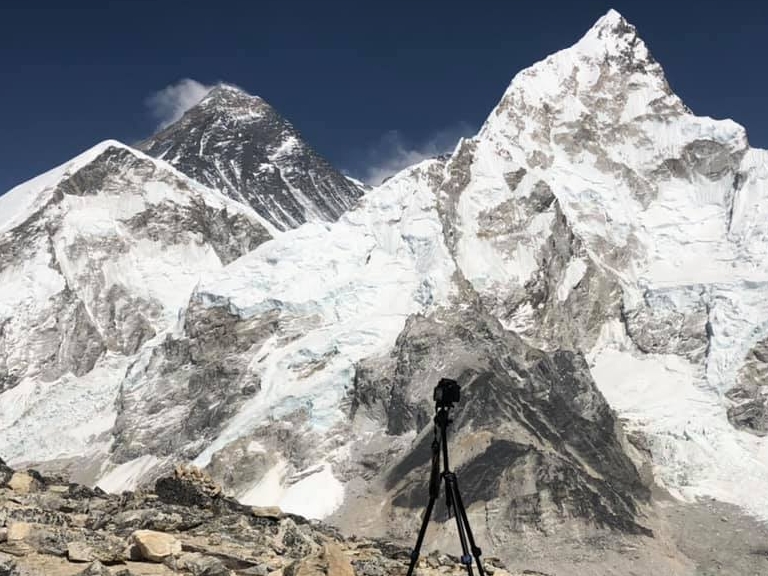
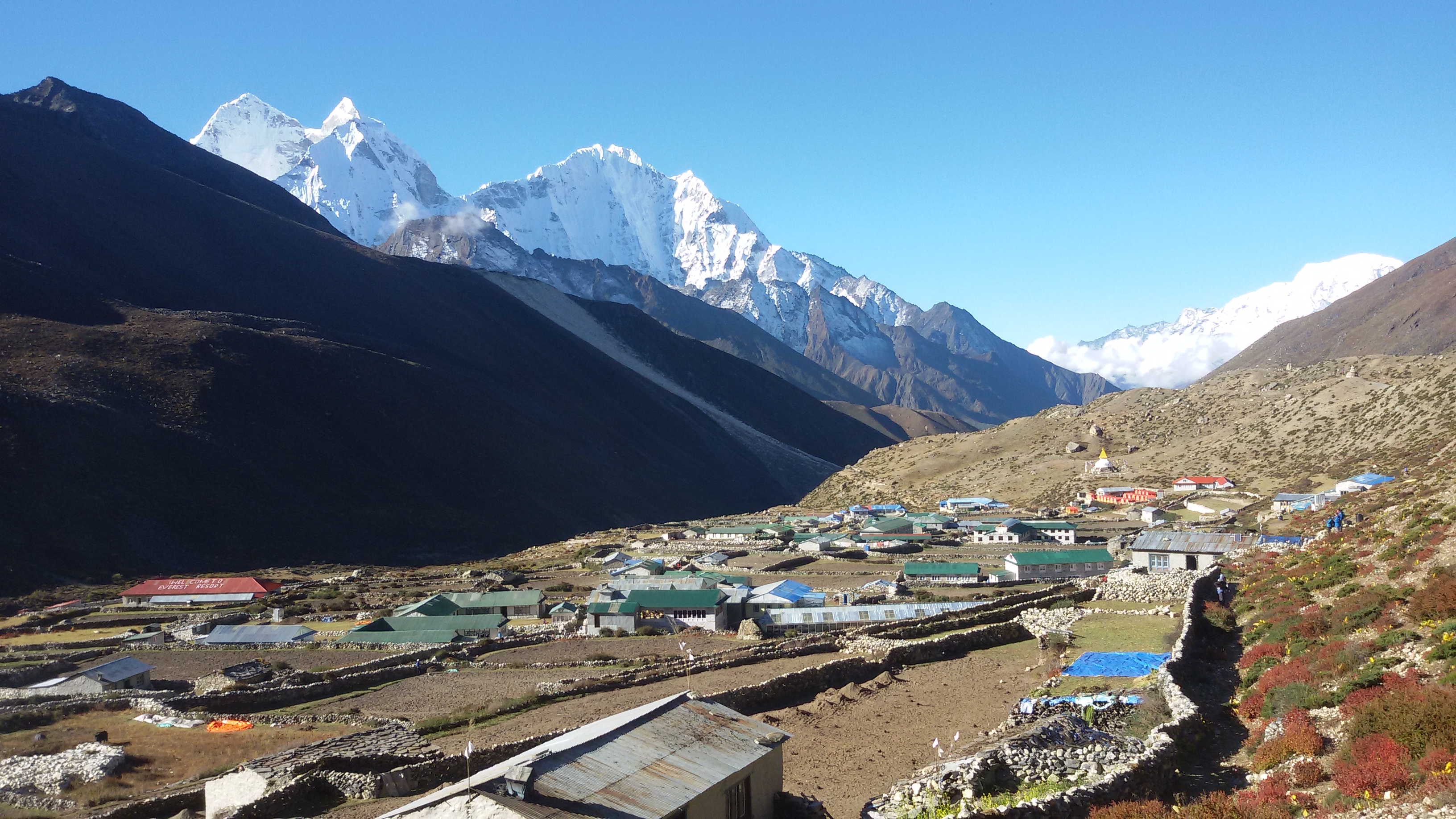
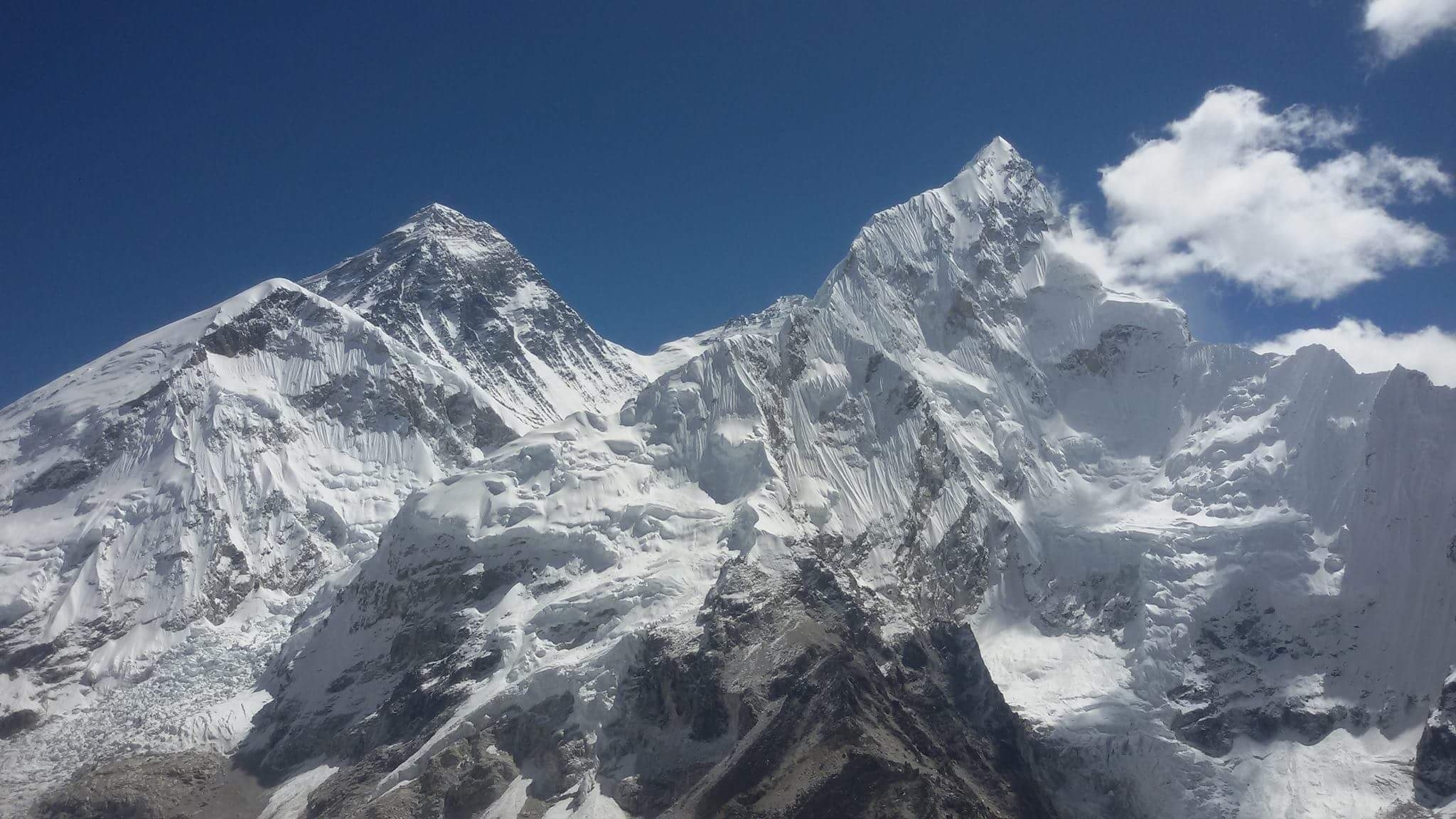
Due to its rugged and isolated terrain, Island Peak is often regarded as one of Nepal’s more adventurous and technically exciting climbs, even for experienced trekkers. The name “Island Peak” was given by early climbers because it appears like an island rising out of a sea of ice from Dingboche. Each year, nearly 300 groups of trekkers and mountaineers set out to conquer this peak. The journey itself is as rewarding as the summit—with stops at world-famous locations like Everest Base Camp and Kala Patthar, it adds great value to the trip. These iconic destinations offer unforgettable views of Mt. Everest and the surrounding massif.
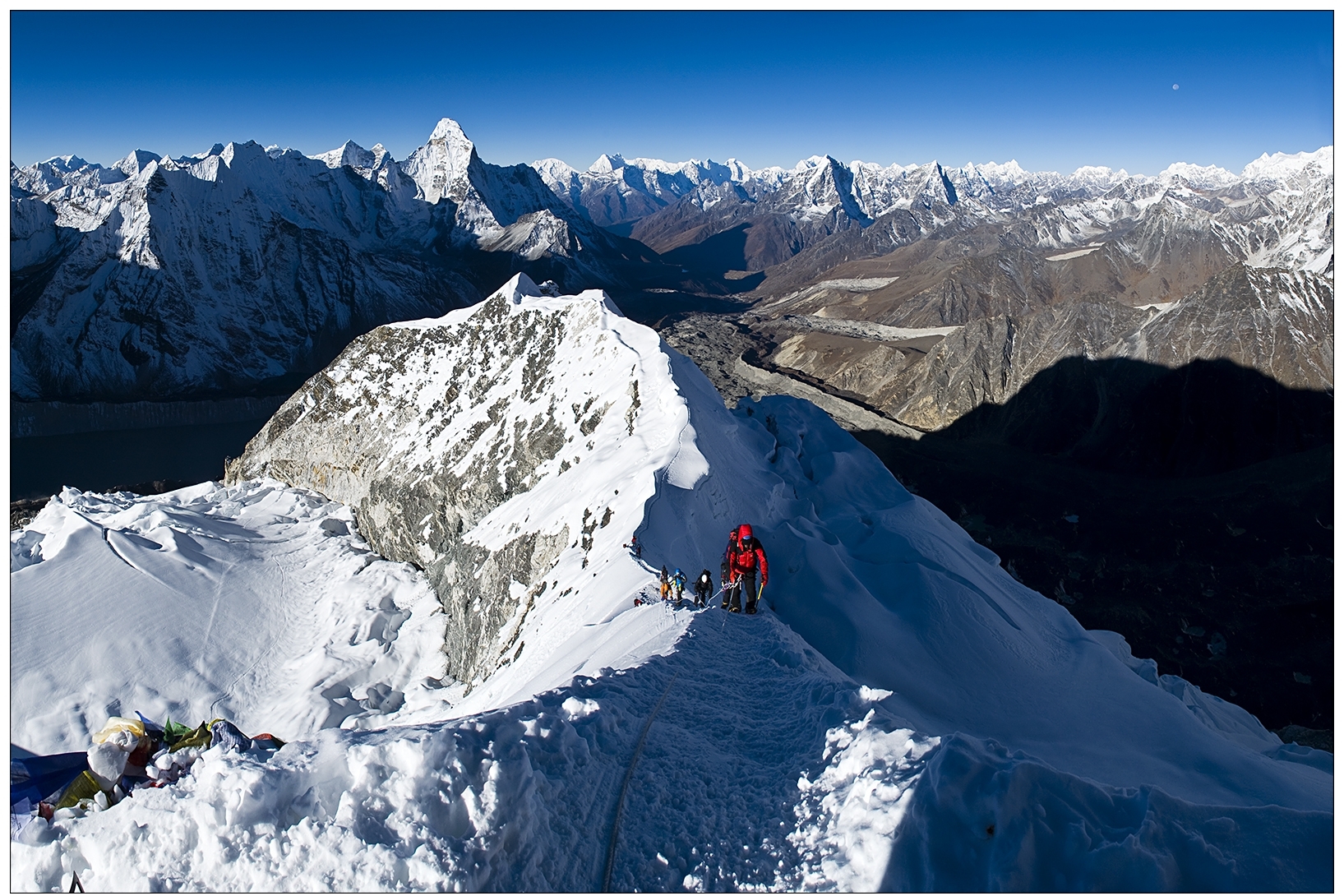
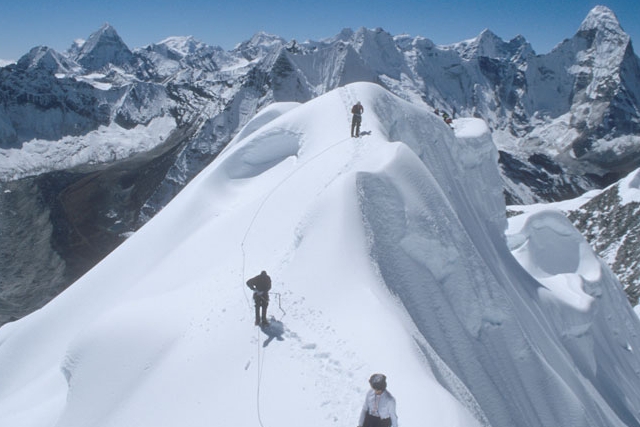
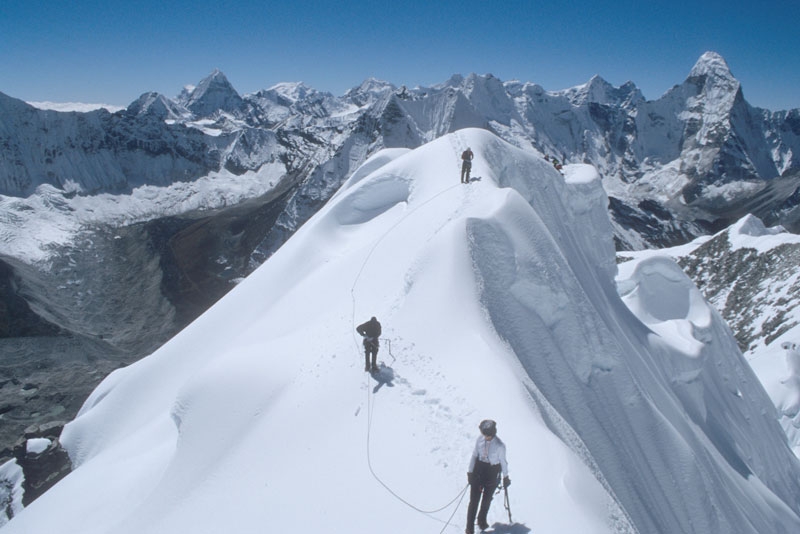
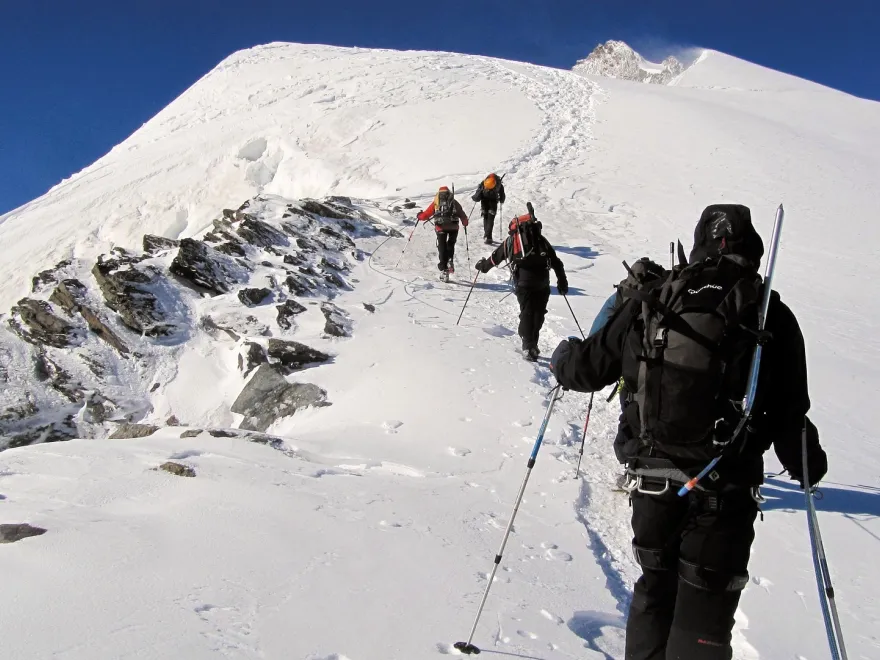
The most demanding section of the climb is the final part—an exposed and steep section of mixed ice and rock that leads to a narrow summit ridge. Climbing this portion requires focus, stamina, and the use of mountaineering equipment.
The best seasons for Island Peak are spring (March–May) and autumn (September – November) when the skies are clear, the weather is relatively stable, and the trails are at their best.
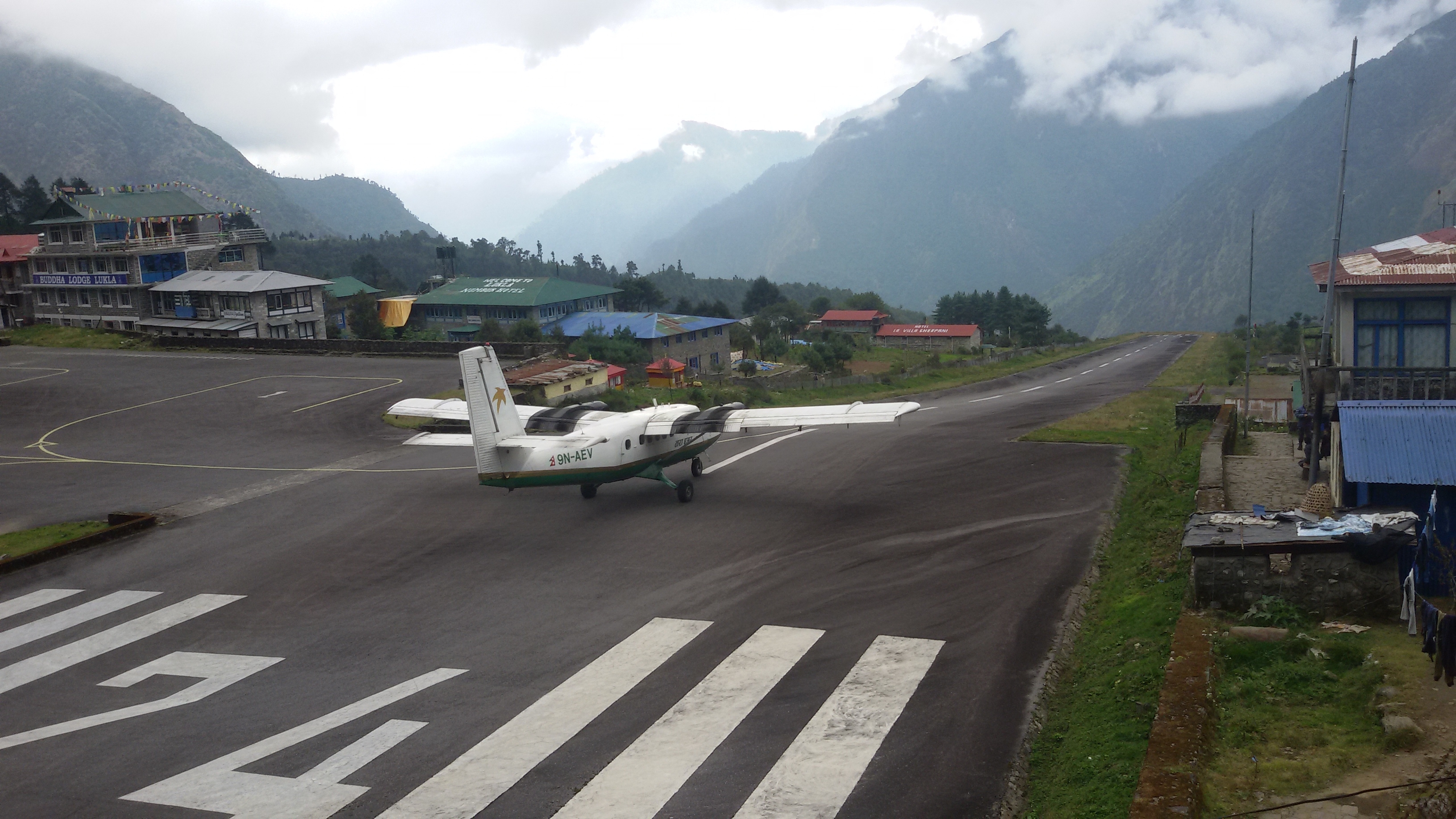
Your adventure begins with a scenic flight from Kathmandu to Lukla, a short but unforgettable experience as you soar between green hills and rugged ridges before landing at the Tenzing Hillary Airport. In high seasons, flights may operate from Ramechhap, which involves an early drive to Manthali before flying into Lukla.
From there, you’ll begin a classic Himalayan trek through forests, valleys, rivers, and ridgelines—all while gradually ascending towards your climbing objective. The trail follows the Dudh Koshi River, passes through Namche Bazaar, the heart of the Khumbu region, and continues up toward Everest Base Camp, where you'll acclimatize before heading into Chhukung and Island Peak Base Camp.
Along the way, you’ll stay in authentic teahouses, visit Sherpa monasteries, and experience the deeply spiritual rhythm of life in the Himalayas. On your return, you’ll trek back down to Lukla, carrying with you memories of high-altitude triumphs, stunning scenery, and personal transformation.
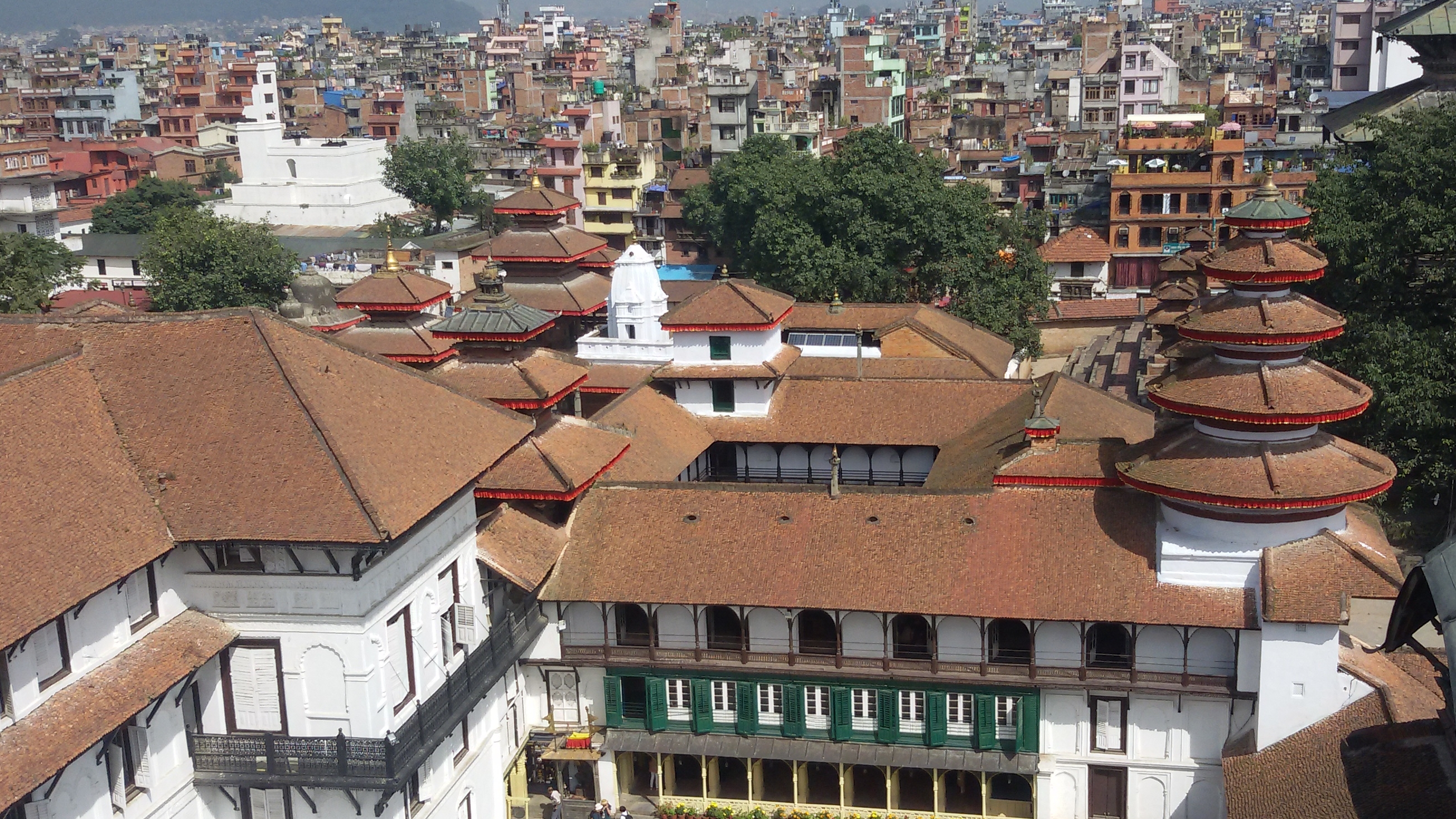
After you arrive in Kathmandu, our team will be at the airport to welcome you with warm hospitality. You will be transferred to your hotel in the city where you’ll receive a detailed briefing about your upcoming trek and climb. The evening is free for you to explore the lively Thamel area, pick up any last-minute gear, or simply relax.
Overnight in Kathmandu.
Today starts early with a breathtaking flight to Lukla, known as one of the world’s most thrilling airports due to its high altitude and dramatic mountain surroundings. If flights operate from Ramechhap, you’ll take an early morning drive to Manthali before flying. Once in Lukla, you’ll enjoy breakfast before beginning your trek. The trail to Phakding is gentle and scenic, descending gradually through pine forests and across suspension bridges. You’ll pass small hamlets and prayer wheels along the Dudh Koshi River as you reach Phakding, a lovely village nestled in the river valley.
Overnight in Phakding.
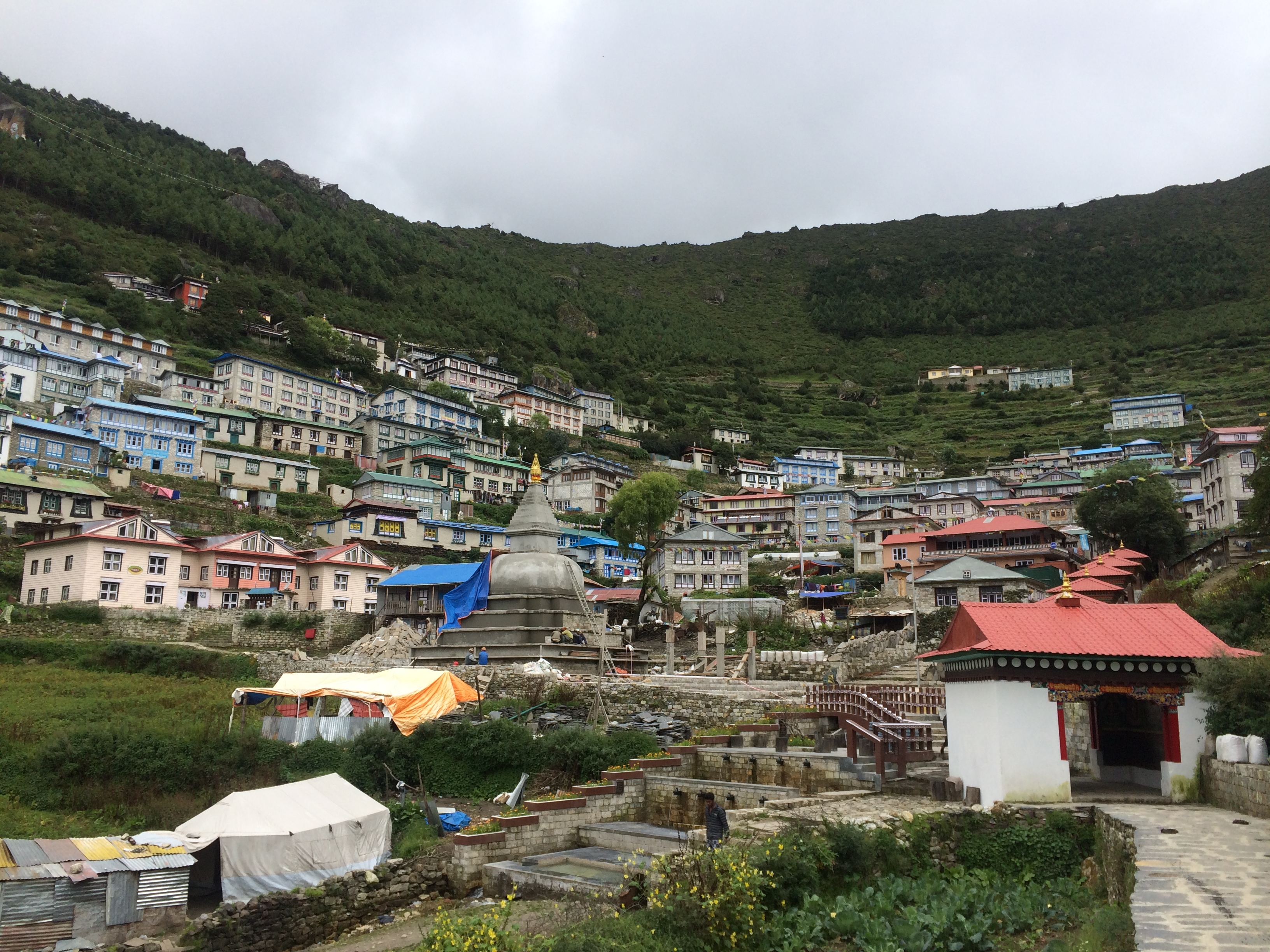
After breakfast, your journey continues north along the Dudh Koshi River. You’ll pass through Monjo, the entrance to Sagarmatha National Park, where your permits will be checked. The trail then climbs steadily through forests and over high bridges—including the famous Hillary Suspension Bridge. The final ascent to Namche Bazaar is steep but rewarding. As you approach the village, you may catch your first distant glimpse of Mount Everest. Namche is a vibrant trading hub with cafes, bakeries, shops, and incredible mountain views.
Overnight in Namche Bazaar.
Today is a rest and acclimatization day to help your body adjust to the higher elevation. While you rest, you can still explore. A short hike to the Everest View Hotel (3,900 m) offers stunning panoramic views of Everest, Lhotse, Ama Dablam, and other nearby peaks. You can also visit the Sherpa Museum and explore the local bazaar. This day is essential for safe acclimatization and prepares you for the higher altitudes ahead.
Overnight in Namche Bazaar.
Leaving Namche, the trail offers amazing views of snow-covered mountains. After a series of ups and downs, you’ll reach the village of Tengboche, home to the Tengboche Monastery, the most important monastery in the region. If you arrive early, you can attend a Buddhist puja ceremony, surrounded by prayer flags and peaceful mountain scenery. The views of Ama Dablam from here are simply breathtaking.
Overnight in Tengboche.
After breakfast, continue your trek towards Pheriche, passing through small Sherpa settlements and crossing alpine meadows. This area is more open and wind-swept, with high-altitude vegetation and wide glacial valleys. Pheriche has a Himalayan Rescue Association (HRA) health post, where you can learn about altitude safety and treatment. It’s a common rest stop for climbers and trekkers alike.
Overnight in Pheriche.
You’ll now gain more altitude as the trail leads through moraine fields, with stunning views of the Khumbu Glacier. The path is rugged but scenic. Along the way, you’ll pass memorials to fallen climbers near Thukla Pass, which offer a sobering reminder of the mountain’s power. Upon reaching Lobuche, you’ll be surrounded by snow-capped peaks and dramatic mountain terrain.
Overnight in Lobuche.
Today is a major milestone. You’ll first reach Gorakshep, the last settlement before Everest Base Camp. After dropping your bags, continue the trail toward the iconic Everest Base Camp, walking across rocky terrain and glacial moraines.
Once you reach base camp, take in the legendary surroundings—the Khumbu Icefall, colorful expedition tents (in climbing season), and massive walls of ice and rock. After photos and a short rest, you’ll return to Gorakshep.
Overnight in Gorakshep.
Early in the morning, hike to Kala Patthar, a rocky ridge offering the best ground-level view of Everest and its surrounding giants. Watch the sun rise behind the world’s tallest mountain before descending. After breakfast in Gorakshep, begin your descent through Lobuche and on to Dingboche, a beautiful village surrounded by stone-walled fields.
Overnight in Dingboche.
Today you leave the main EBC trail and head to Chhukung, a small settlement situated closer to Island Peak. The landscape becomes wilder and more remote. Fewer trekkers visit this area, so the peace and views are incredible. Chhukung is also a common acclimatization stop for climbers heading to Island Peak or other nearby summits.
Overnight in Chhukung.
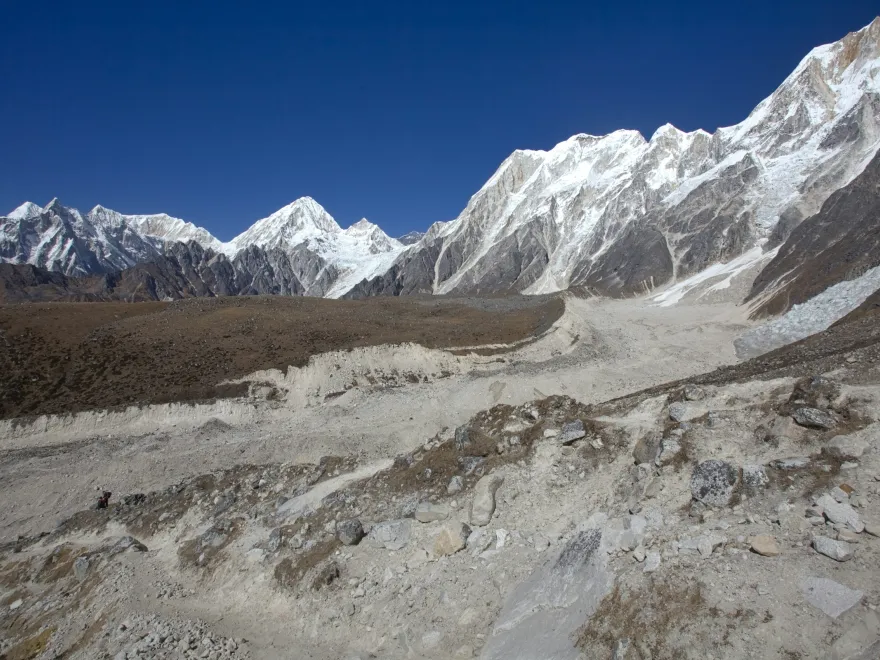
The trail today leads to the Island Peak Base Camp, passing over glacial streams, rocky ridges, and barren slopes. The surroundings become more dramatic as you approach the base camp nestled beneath Imja Glacier. Here, tents will be set up and gear will be prepared for the summit push. You'll spend the evening preparing, resting, and soaking in the high alpine environment.
Overnight in tented camp in Island Peak Base Camp.
This day is reserved for training and acclimatization. Your climbing guides will conduct a session on rope techniques, glacier travel, crampon use, and proper climbing posture. This is especially helpful for beginners. You’ll also take a short hike to further adjust to the altitude and rest up for the early start the next morning.
Overnight in tented camp.
The big day begins around midnight. Wearing headlamps, you’ll climb steeply over rock and glacier terrain, using fixed ropes and ladders if needed. The final section is the most technical—an exposed ridge with icy slopes that leads to the summit.
From the top, enjoy unmatched views of Everest, Lhotse, Makalu, and more. After photos and celebration, descend carefully back to base camp and continue to Chhukung.
Overnight in Chhukung.
After breakfast, begin your descent through familiar terrain. The views look completely different from this perspective, and it’s easier to appreciate the journey.
You’ll return to Tengboche, where you can rest and revisit the monastery.
Overnight in Tengboche.
The trail descends further through forests and ridges. You’ll pass Namche Bazaar, where you can take a break and shop for souvenirs, then continue to Phakding for the night.
Overnight in Phakding.
Today is your final day of trekking. The trail back to Lukla is familiar, and you'll walk at a relaxed pace. Once in Lukla, you can celebrate your successful expedition with your team.
Overnight in Lukla.
Take an early morning flight back to Kathmandu. Depending on season and flight schedule, you might fly to Ramechhap and then drive. Once in the city, enjoy the comforts of your hotel, shop in Thamel, or relax with a Nepali meal.
Overnight in Kathmandu.
This extra day allows flexibility in case of flight delays or bad weather. If not needed, you can use it for sightseeing, souvenir shopping, or a massage after the long journey.
Overnight in Kathmandu.
Today marks the end of your journey. Our team will take you to Tribhuvan International Airport for your flight home, filled with unforgettable memories of your Himalayan adventure.
Trekking Map
Climbing map
City map
Your Start Date is the day you land in Nepal, and your End Date is when you fly home.
If the set ISLAND PEAK CLIMBING - 19 DAYS group dates don’t suit your schedule, we can offer alternative dates upon request.
Island Peak, also known as Imja Tse, stands at an elevation of 6,189 meters (20,305 feet) in the Everest region of Nepal.
While Island Peak is considered a technically challenging climb, it is often chosen by climbers as an introduction to high-altitude mountaineering. Prior climbing experience and proper training are recommended.
Climbers should have basic mountaineering skills, including the use of ice axes, crampons, and rope techniques. Training in high-altitude and glacier travel is crucial for a safe ascent.
Challenges include high altitude, technical climbing sections, and variable weather conditions. Proper acclimatization, physical fitness, and experienced guides are essential for overcoming these challenges.
| No of people | Price per person |
|---|---|
| 2 - 4 | $2,590 |
| 5 - 10 | $2,500 |