Need help with booking? Send us a message.
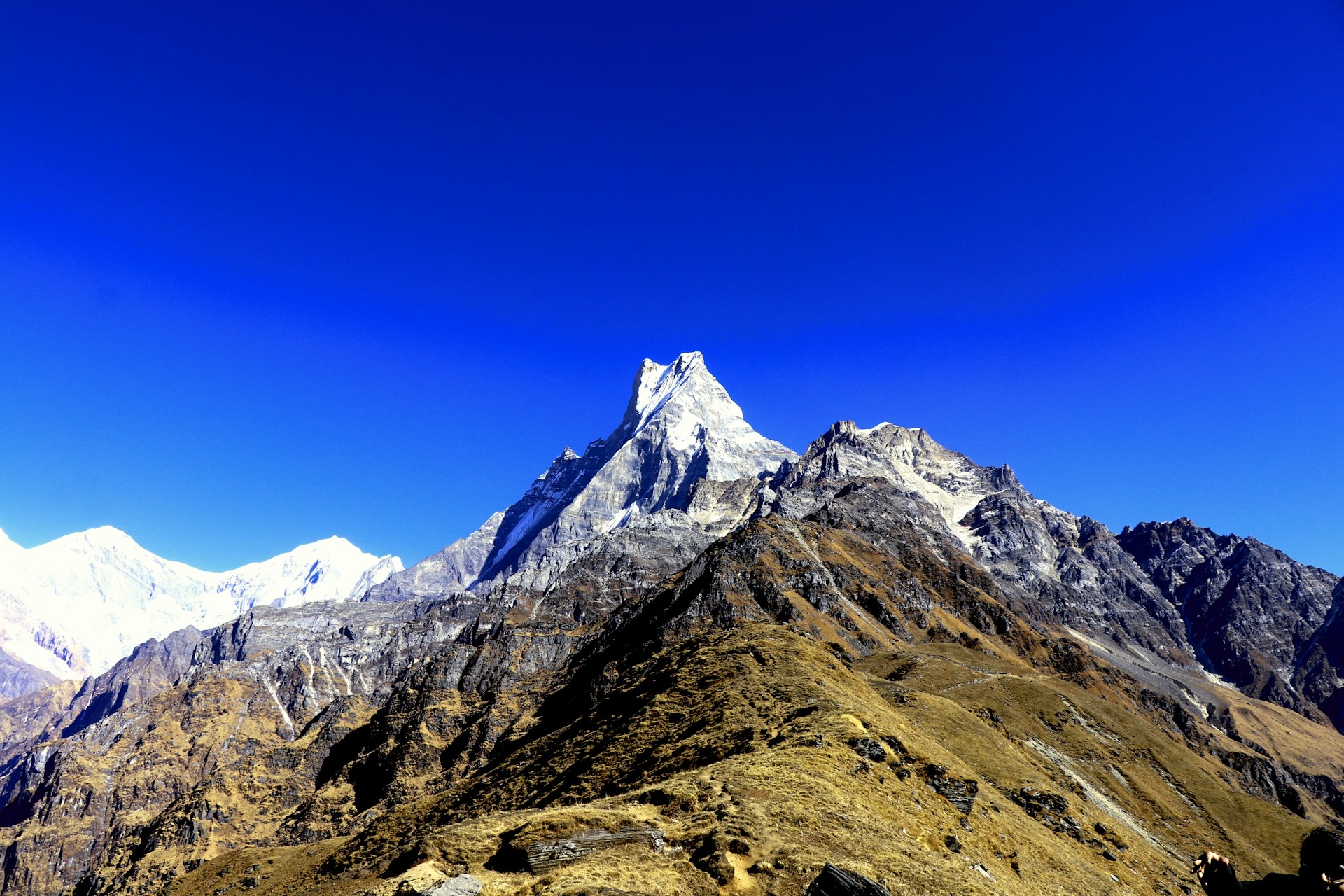
Mardi Himal Trek is noted for being the lowest altitude peak approved by the Nepal Government for climbing. Mardi Himal exists at the close proximity of Annapurna Range and it demarks the southwest ridge of Fishtail Mountain. Southwestern face of Mardi Himal comprises three ridges and all of them are distinguished by hanging glaciers. Mardi Himal can be easily accessed from the lake city of Pokhara by covering 15 miles of distance.
Mardi Himal Trekking follows an alternative trekking route for Annapurna Circuit Trek. Despite being at the lowest altitude, Mardi Himal is also the least climbed peak in Nepal. Once arrived at the foothill of Mardi peak, we will follow the Mardi Himal trekking route that stretches up through the eastern face of Mardi peak. We can enjoy the sights of valleys and forested ridges in the south of Mardi peak.
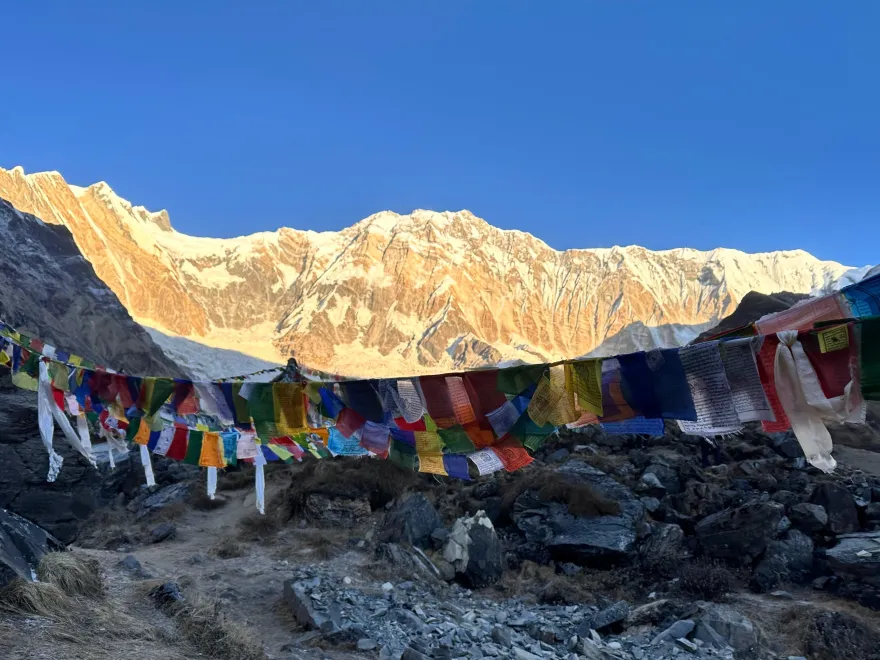
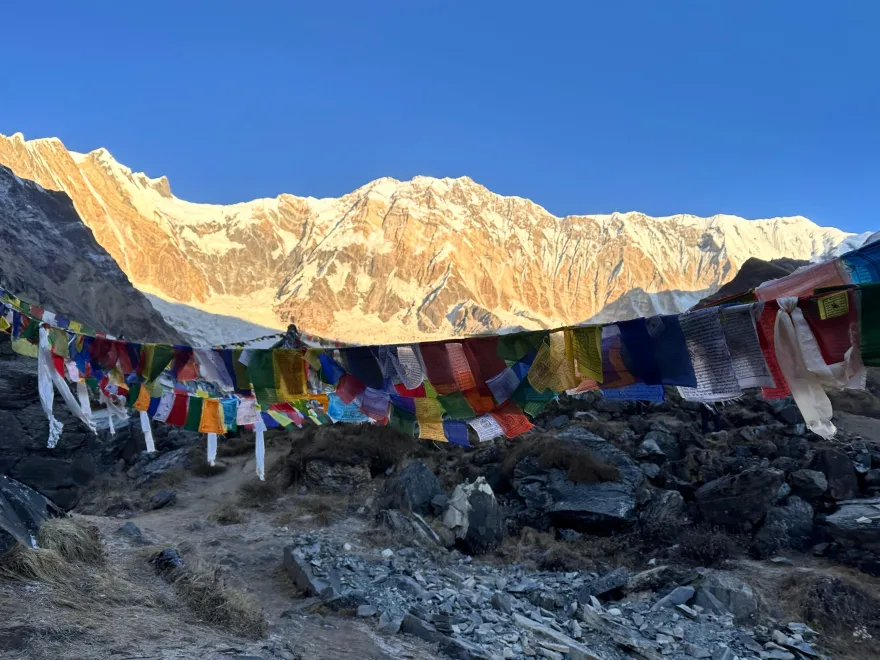
Despite being a difficult, the ascent will lead you to the summit of Mardi Himal View point. It is from here that we will enjoy the panoramic views of magnificent Annapurna ranges and Machhapuchchhre peak. Mardi Himal is an easy trek. You absolutely need zero climbing experience to aim for it. To add to it, Mardi Himal treks remains open throughout the year.
Ace Holiday Treks currently offers 5 days Mardi Himal treks from Pokhara to Pokhara. We start our trip by drive from Pokhara to Kande from where the trek begins. Then we make an ascent towards the ridge to Australian camp village and pass through the forest to Pothana from where the trail stretches through forest and meadow to Mardi Himal high camp.
Afterwards , we will return back from the base camp through Siding village to Hyanja village. Then, we will return back to Pokhara.
The trip begins from Pokhara with a drive to Kande, where you start walking through the lush landscapes to reach Australian Camp and Thulo Kharka. The trek takes you through rhododendron forests and charming villages, providing stunning views of the Annapurna and Machhapuchchhre mountain ranges. You then descend to Deurali 2100M overnight stay.
Overnight in Deurali.
As you continue the Mardi Himal Trek, the trail leads you to Forest Camp via Deurali. The trek takes you through dense forests and offers glimpses of the Annapurna South and Hiunchuli peaks. The serene atmosphere of Forest Camp at 2,520 meters provides a tranquil setting for the night.
Overnight in Forest Camp.
Today's trek takes you to High Camp at an elevation of 3,580 meters. The trail provides breathtaking views of Mardi Himal, Machhapuchchhre, and the Annapurna range. The higher altitude adds a sense of adventure, and High Camp offers a comfortable setting for your overnight stay.
Overnight in High Camp.
An exciting day awaits as you embark on a hike to the Mardi Himal View Point at 4,500 meters. The trek offers unparalleled views of the surrounding peaks and the pristine landscapes below. After relishing the views, you return to Low Camp for a well-deserved rest.
Overnight Low Camp.
Descending from High Camp, the trail leads to Siding village at 1,750 meters. The trek takes you through lush forests, terraced fields, and traditional villages. Siding village offers a glimpse into the local way of life, After Siding you drive back to Pokhara, enjoying the scenic landscapes on your way. Upon reaching Pokhara, you have the rest of the day to relax by the lakeside or explore the vibrant city. It's a perfect opportunity to reflect on the experiences of the Mardi Himal Trek.
As this short itinerary is designed for those who want to start and end the package service from Pokhara, the trip is complete on the fifth day. As our guide transfers you to your hotel, you will enjoy your own plans in your own way.
Your Start Date is the day you land in Nepal, and your End Date is when you fly home.
If the set MARDI HIMAL SHORT TREKKING (From Pokhara) 5 DAYS group dates don’t suit your schedule, we can offer alternative dates upon request.
The Mardi Himal Trek is a stunning trekking route located in the Annapurna region of Nepal. This relatively less-trodden path offers breathtaking views of the Annapurna mountain range, particularly Mardi Himal (4500m), and allows trekkers to experience the unique culture and lifestyle of the local Gurung and Magar communities. The trek typically takes about 5-7 days, making it a great option for both novice and experienced trekkers.
The ideal seasons for trekking in the Mardi Himal region are spring (March to May) and autumn (September to November). During these months, the weather is generally stable, with clear skies and mild temperatures, offering the best opportunities for spectacular mountain views. Monsoon season (June to August) can bring heavy rains, while winter (December to February) can be cold, making trails slippery and less accessible.
While it is possible to trek Mardi Himal independently, hiring a guide is highly recommended. A guide can enhance your experience by providing valuable insights into the local culture, geography, and wildlife, as well as ensuring your safety on the trail. Additionally, a guide can help with navigation and support in case of any emergencies.
The Mardi Himal Trek is considered moderate in difficulty. The trails are well-defined, but they can be steep and rugged in certain sections. Trekkers should be in good physical condition and prepared for altitude gain, with the highest point reaching about 4,500 meters (14,763 feet) at Mardi Himal Base Camp. Acclimatization is important, so it’s advisable to take your time and listen to your body.
To trek in the Mardi Himal region, you will need two main permits: the Annapurna Conservation Area Permit (ACAP) and the Trekkers’ Information Management System (TIMS) card. Both permits can be obtained in Pokhara or Kathmandu, and it’s advisable to carry both while trekking to avoid any issues with local authorities.
Along the Mardi Himal Trek, you’ll find a variety of accommodation options, ranging from basic teahouses to more comfortable lodges. Most teahouses provide basic amenities, including meals and hot showers, though it’s advisable to check the conditions before booking. In more remote areas, facilities may be more limited, so be prepared for a more rustic experience.
While many trekkers choose to go solo, trekking alone can present certain risks, especially for those inexperienced with the trails. It's important to assess your own skills and experience level. Always inform someone of your itinerary, carry a fully charged mobile phone with emergency contacts, and consider joining a trekking group for added safety and companionship.
| No of people | Price per person |
|---|---|
| 2 - 4 | $1,199 |
| 5 - 10 | $1,150 |
| 11 - 55 | $1,050 |
| No of people | Price per person |
|---|---|
| 2 - 4 | $595 |
| 5 - 10 | $575 |
| 11 - 15 | $555 |
| No of people | Price per person |
|---|---|
| 2 - 4 | $620 |
| 5 - 10 | $595 |
| No of people | Price per person |
|---|---|
| 2 - 4 | $495 |
| 5 - 6 | $475 |
| 7 - 15 | $445 |
| No of people | Price per person |
|---|---|
| 1 - 1 | $675 |
| 2 - 4 | $555 |
| 5 - 10 | $525 |
| 11 - 16 | $499 |
| 17 - 25 | $475 |