
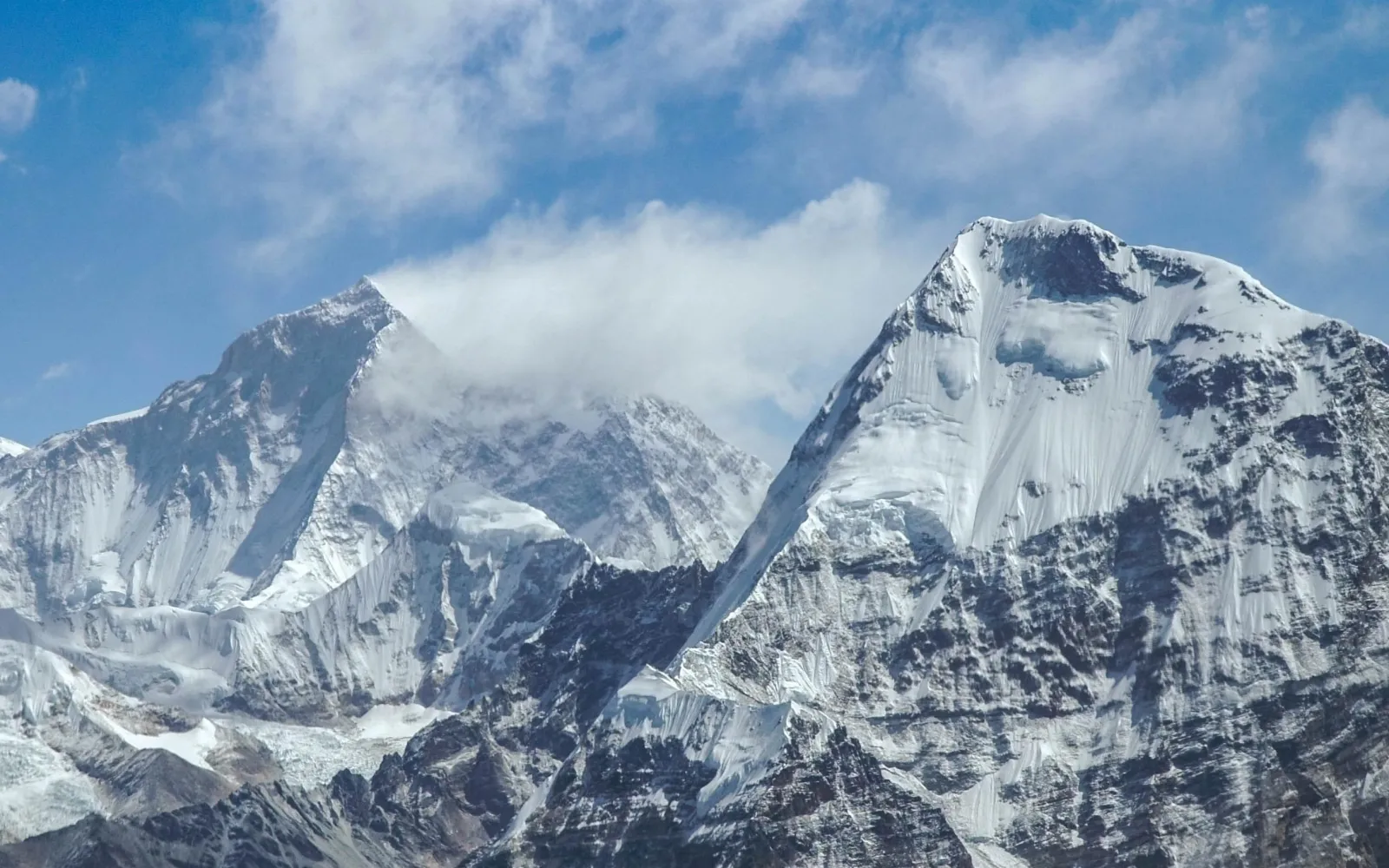
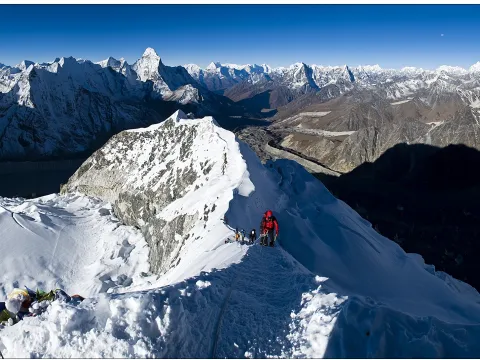
Island Peak, locally known as Imja Tse, stands proudly at the end of the Chhukung glacier and lies between two towering giants—Ama Dablam and Lhotse. It is one of the most popular trekking peaks in Nepal and serves as an excellent choice for those who want a real climbing experience without the extreme difficulty of higher Himalayan expeditions.Due to its rugged and isolated terrain, Island Peak is often regarded as one of Nepal’s more adventurous and technically exciting climbs, even for experienced trekkers. The name “Island Peak” was given by early climbers because it appears like an island rising out of a sea of ice from Dingboche. Each year, nearly 300 groups of trekkers and mountaineers set out to conquer this peak. The journey itself is as rewarding as the summit—with stops at world-famous locations like Everest Base Camp and Kala Patthar, it adds great value to the trip. These iconic destinations offer unforgettable views of Mt. Everest and the surrounding massif.The most demanding section of the climb is the final part—an exposed and steep section of mixed ice and rock that leads to a narrow summit ridge. Climbing this portion requires focus, stamina, and the use of mountaineering equipment.The best seasons for Island Peak are spring (March–May) and autumn (September – November) when the skies are clear, the weather is relatively stable, and the trails are at their best.Your adventure begins with a scenic flight from Kathmandu to Lukla, a short but unforgettable experience as you soar between green hills and rugged ridges before landing at the Tenzing Hillary Airport. In high seasons, flights may operate from Ramechhap, which involves an early drive to Manthali before flying into Lukla.From there, you’ll begin a classic Himalayan trek through forests, valleys, rivers, and ridgelines—all while gradually ascending towards your climbing objective. The trail follows the Dudh Koshi River, passes through Namche Bazaar, the heart of the Khumbu region, and continues up toward Everest Base Camp, where you'll acclimatize before heading into Chhukung and Island Peak Base Camp.Along the way, you’ll stay in authentic teahouses, visit Sherpa monasteries, and experience the deeply spiritual rhythm of life in the Himalayas. On your return, you’ll trek back down to Lukla, carrying with you memories of high-altitude triumphs, stunning scenery, and personal transformation.
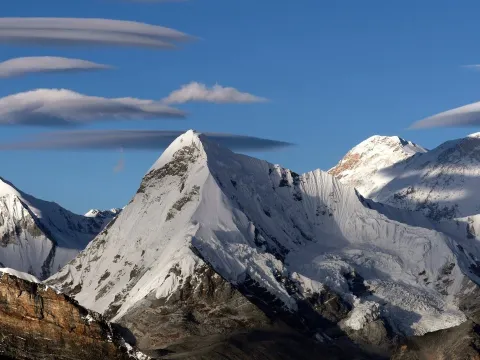
Mera Peak is a popular trekking peak located in the Everest (Sagarmatha) region of eastern Nepal. It is well-known among trekkers and climbers looking for a good climbing adventure in Nepal. Standing at about 6,476 meters, it is considered easier to climb compared to other high peaks. Mera Peak has three main summits: Mera North (6,476 m), Mera Central (6,461 m), and Mera South (6,065 m). There's also a smaller trekking summit that looks like a separate peak from the south, though it's not clearly shown on most maps.The journey to Mera Peak usually starts with a scenic mountain flight from Kathmandu to Lukla, at the Tenzing Hillary Airport. This 35-minute flight offers beautiful views of the Himalayas. Once you reach Lukla, your trekking and climbing adventure begins. In the past, there was also a longer trek route by walking from Jiri to Lukla, which follows the classic Everest trekking route, but its not so popular nowadays as there are road access to the lower part of the route. There are a few different routes to get to Mera Peak Base Camp, but the easiest and most popular one is often chosen. If you're looking for wide views of the Himalayas, including Kanchenjunga and Makalu, the High Camp is an excellent spot to stop and enjoy the scenery. The northern route of Mera Peak is also known to be a more direct and straightforward path for climbing.
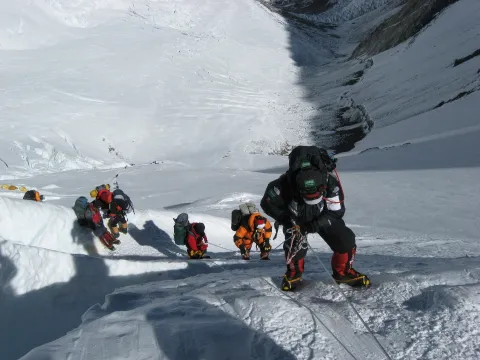
Everest Expedition is an emotional voyage that transcends the mere physical ascent of Earth's highest peak. Standing at the foot of Mount Everest, there's a profound sense of humility and awe—a recognition of the colossal challenge that lies ahead and the storied history that envelopes this iconic summit.The journey unfolds like a novel, each chapter written in the footsteps of legendary climbers and adventurers who have left their mark on the slopes of Everest. As you lace up your boots and begin the ascent, the mountain becomes a living entity, a silent witness to the dreams, aspirations, and the indomitable human spirit that echoes through its icy corridors.The first steps on the Khumbu Icefall are a dance with danger, a ballet of ice seracs that stand as guardians of the higher realms. Emotions run high as climbers navigate this frozen labyrinth, each crevasse and ice tower a reminder of the risks undertaken in the pursuit of conquering Everest's majestic heights.The climb up the Western Cwm is a journey through a glacial amphitheater, where the sheer magnitude of the surroundings evokes a sense of wonder and vulnerability. The ice cliffs echo with the history of those who have dared to venture before, leaving an emotional imprint on the icy canvas of the mountain.Reaching the South Col, at the threshold of the Death Zone, is a poignant moment. Here, the air is thin, and the emotions are thick with the realization that the summit is within reach. The push for the top is not just a physical endeavor; it's a battle against the elements and an exploration of the limits of human resilience.As climbers stand on the rooftop of the world, emotions peak with a blend of triumph, exhaustion, and reverence for the unparalleled views that stretch as far as the eye can see. The prayer flags fluttering in the wind become a silent celebration, a testament to the courage required to reach this hallowed summit.Descending from Everest is a descent not just in altitude but into the depths of self-reflection. The journey back to base camp is a poignant farewell to a mountain that has become more than just rock and ice—it is a symbol of personal growth, triumph over adversity, and the enduring human spirit that refuses to be subdued.An Everest Expedition is not just a climb; it is an emotional saga that unfolds against the backdrop of the world's highest peaks. It is a pilgrimage into the heart of the Himalayas, leaving climbers forever changed and emotionally connected to the majesty of Everest
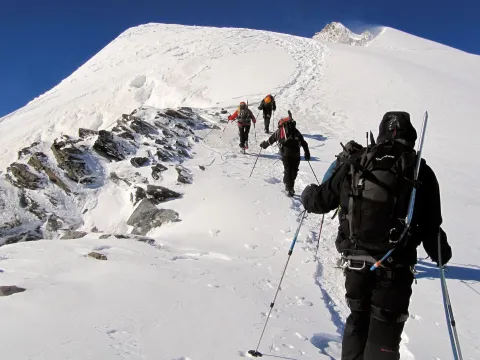
A Journey to the Roof of the WorldNestled in the heart of the Himalayas, Baruntse beckons adventurers with its towering majesty, reaching an awe-inspiring height of 7,129 meters (23,389 feet) above sea level. This expedition isn't merely a climb; it's an ascent to the roof of the world, where the air is thin, and the spirit soars amidst the icy embrace of one of Nepal's formidable peaks.Beyond the physical challenge, the Baruntse expedition offers a unique cultural tapestry. The journey begins in the Sherpa heartland, where prayer flags flutter in the wind, and monasteries echo with the chants of ancient rituals. The warm hospitality of the local Sherpa communities adds a profound layer to the climb, bridging the gap between the climbers and the rich cultural heritage that surrounds Baruntse.As climbers ascend, the landscape transforms from lush valleys to a realm of ice and rock. Baruntse stands as a sentinel amidst the Khumbu region, adorned with glaciers, icefalls, and crevasses that challenge the very essence of human determination. The expedition unfolds against the backdrop of dramatic contrasts – from verdant meadows to the pristine white vastness that defines the upper reaches of the mountain.From the summit of Baruntse, the world unfolds in a panorama that defies description. The peaks of the Himalayan range stretch in all directions, like a congregation of titans whispering tales of ancient times. The emotional crescendo reaches its peak as climbers witness sunrise from this lofty vantage point, where the sky paints the peaks in hues that seem borrowed from dreams.The Baruntse expedition is not a conquest; it's a symphony of emotions played out on the grand stage of the Himalayas. The challenge isn't just in overcoming physical obstacles; it's in embracing the solitude of the icy wilderness, forging bonds with fellow climbers, and conquering the inner peaks of doubt and fear. The summit is not merely a destination; it's a culmination of a journey that delves into the soul and leaves an indelible mark on the human spirit.Baruntse, with its cultural significance, ever-changing landscapes, and panoramic views, is more than a mountain; it's a canvas on which the emotions of each climber are painted with the strokes of determination, resilience, and the sheer joy of reaching for the skies.
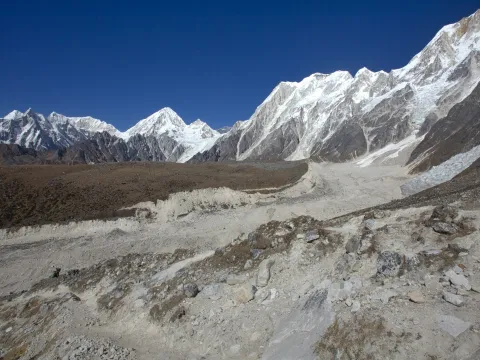
Larkya Peak, standing proudly in the Manaslu region of Nepal, is a captivating destination for mountaineers seeking a thrilling climbing experience. This majestic peak, with an elevation of approximately 6,249 meters (20,503 feet), offers an exhilarating challenge amidst the stunning landscapes of the Himalayas. The climb to Larke Peak is characterized by its demanding yet rewarding nature, making it a desirable choice for both novice and seasoned climbers.The journey to Larke Peak begins with a trek through the picturesque Manaslu Circuit, known for its diverse terrain, lush forests, and authentic Tibetan-influenced villages. As climbers make their way towards the base camp, they are treated to breathtaking views of the surrounding peaks, including the towering Manaslu, the eighth-highest mountain in the world. The route is not only a physical test but also a cultural immersion, as trekkers pass through traditional villages and interact with local communities.Larke Peak climbing demands technical proficiency, as climbers encounter challenging sections that may include ice and rock formations. The ascent provides a unique combination of technical climbing and high-altitude adventure, ensuring a memorable and transformative experience. The climb is typically undertaken with the guidance of experienced Sherpa guides, ensuring safety and support throughout the expedition.The summit of Larke Peak rewards climbers with panoramic vistas of the Manaslu range, Annapurna, Ganesh Himal, and other neighboring peaks. The sense of accomplishment atop this lesser-known gem is immeasurable, creating lasting memories for those who conquer its slopes. The descent retraces the route back to the starting point, allowing climbers to reflect on their achievement while soaking in the natural beauty that surrounds them.In conclusion, Larke Peak climbing is an awe-inspiring adventure that combines the thrill of technical ascent with the natural and cultural wonders of the Manaslu region. This journey is a testament to the indomitable spirit of exploration, attracting climbers from around the world to conquer its heights and immerse themselves in the captivating landscapes of the Himalayas.

Share your travel dreams with us and we will create a customized itinerary that matches your preferences and budget.