Need help with booking? Send us a message.
All flight / ground transportation as per itinerary
3*** Hotel in Kathmandu and Mountain Lodge / Tea House / camping accommodation during the trek
Breakfast in Kathmandu and all meals during the trek
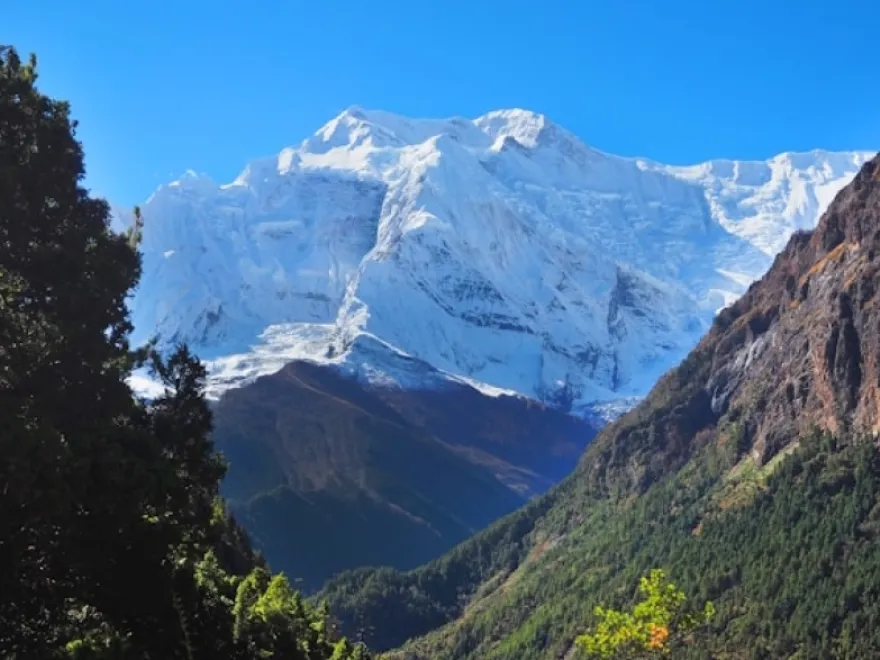
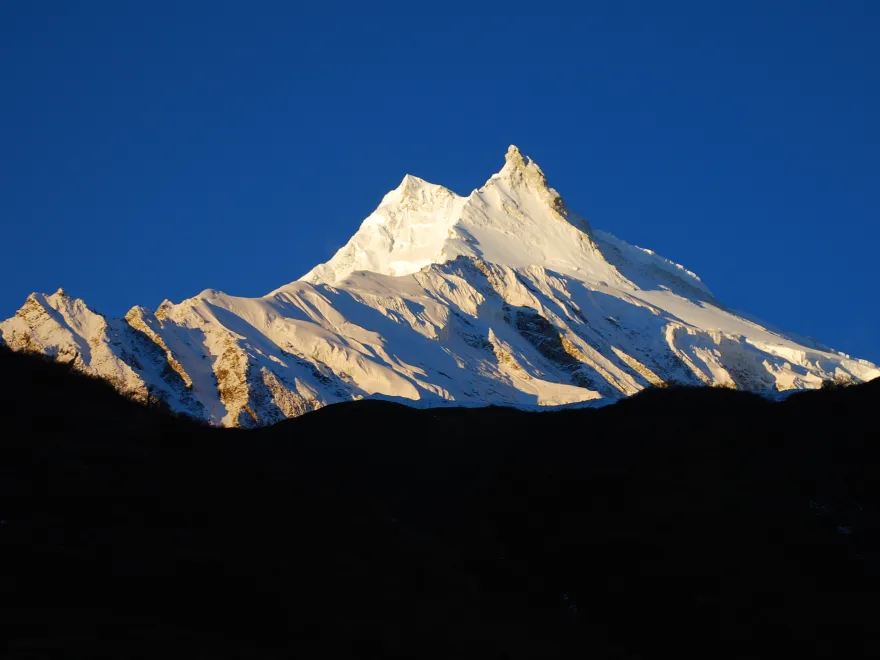
The Makalu Base Camp Trekking is a very exciting but less-traveled trekking trip along the eastern Himalayas of Nepal. Leading to the base camp of mount Makalu, the world’s fifth-highest mountain (8,485 m), this adventure trekking is perfect for those who are looking for peace of mind, adventure and unspoiled nature that is away from the busy and commercialized trails of like Everest or Annapurna. Along the way, you’ll witness spectacular views of the massive peaks like Makalu, Baruntse, and Chamlang, and you will get opportunity to walk through a variety of landscapes that ranges from green forests and open meadows to rocky, alpine terrain. The route also leads you through remote villages where traditional ways of life are still preserved.
The adventure trip to Makalu Base Camp starts with a flight from Kathmandu to Tumlingtar, a small town in Sankhuwasabha, a northeastern district of Nepal. Climbing gradually through terraced fields, subtropical forests, and small settlements, the trail gives you a glimpse into the culture of local communities, including the Rai and Sherpa people. As you climb higher and higher, the scenery becomes more dramatic, with deep valleys, glacial rivers, and steeper paths. The trek reaches its highest point at Makalu Base Camp, around 5,000 meters, where you're rewarded with stunning views of the Makalu range and nearby mountains.
This trek is challenging and requires good physical fitness, especially because of the altitude and the remote, rugged conditions. Proper acclimatization at certain points is very important for your health and smooth progress in climbing higher altitudes. In this trekking, trekkers also cross high mountain passes like the Makalu La, which adds a true sense of adventure. Though it demands more effort and determination, the Makalu Base Camp Trek is deeply rewarding, offering breathtaking scenery, a strong sense of achievement, and a genuine connection to the wild, untouched beauty unspoiled Himalayan region of eastern Nepal.
Your adventure begins as you arrive in Kathmandu, the vibrant capital city of Nepal. Upon arrival, you will be welcomed at the airport and transferred to your hotel by our representative. The rest of the day is free for you to relax after your flight. You can take a gentle stroll around the nearby streets, enjoy a Nepali meal, or prepare any last-minute gear for the trek. Kathmandu’s energy is a fascinating mix of ancient temples, busy markets, and colorful traditions—a perfect starting point for your Himalayan journey.
Overnight in Kathmandu.
Early in the morning, you’ll take a scenic flight to Tumlingtar, a small town located in the eastern region of Nepal. The short flight from Kathmandu offers spectacular views of the hills and snow-capped peaks. From Tumlingtar, a rugged drive takes you along winding mountain roads and terraced landscapes to reach Num. This small village located on a ridge offers sweeping views of deep valleys and mid hills of Nepal. It’s the official start of your trek, and a peaceful place to spend the night before setting out on foot.
Overnight in Num.
Today marks the beginning of your actual trekking experience. The trail starts with a steep descent through forested paths that lead down to the Arun River. After crossing the suspension bridge over the river, you’ll begin a challenging ascent through dense jungle and farmlands. Along the way, you’ll pass a few small settlements that will showcase the daily lives of local village people. In the evening you’ll arrive in Seduwa, a rural village with views of lush hills and valleys, where you'll rest for the night.
Overnight in Seduwa.
After breakfast, you will leave Seduwa and the trail gently climbs through forests and farmlands filled with cardamom plantations and terraced rice fields. You’ll pass through small Rai and Sherpa villages, giving you glimpses into local culture and traditional architecture. The walk is not too demanding, allowing you to enjoy the scenery and peaceful surroundings. After a few hours, you’ll reach Tashi Gaun, a beautiful village surrounded by forests and hills. This is the last permanent settlement on the trail, and a great place to unwind before heading into higher altitudes.
Overnight in Tashi Gaun.
This is a scheduled rest day to help your body adjust to the increasing altitude. Rather than remaining idle, you can take short hikes around the village or simply relax while enjoying the views. It’s a great opportunity to connect with locals, observe their way of life, and explore the natural surroundings. Acclimatization is a vital part of trekking in high altitudes, and this rest day helps ensure a safer and more enjoyable journey ahead.
Overnight in Tashi Gaun.
Day 6: Trek from Tashi Gaun to Khongma (3,760m)
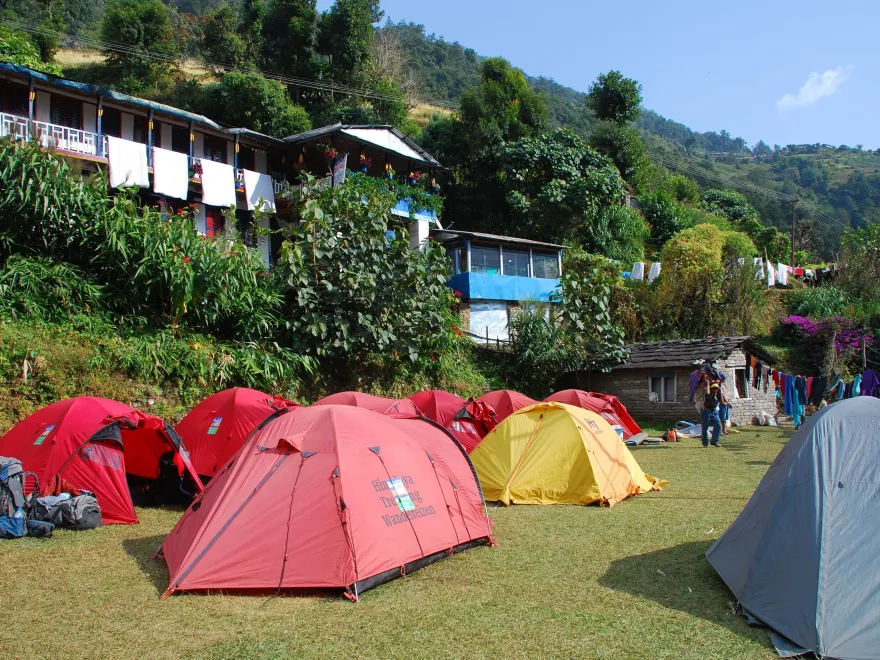
One of the more challenging days of your trip, today, you will climbt upto a significant altitude. The trail climbs steadily through dense forests, eventually transitioning to alpine shrub and meadows. As you ascend, the air becomes thinner, and the vegetation starts to change. You’ll reach Khongma Danda, a high ridge that offers magnificent views of the surrounding peaks and valleys. There are no villages in this stretch, so you’ll stay in a basic teahouse or campsite, surrounded by pristine mountain wilderness.
Overnight in Khongma.
This is a day full of breathtaking scenery and high Himalayan passes. You’ll cross several ridges, including Shipton La and Keke La, both of which offer stunning panoramic views of Makalu, Chamlang, and other nearby peaks. The trail undulates through rocky ridgelines and high alpine terrain, with colorful prayer flags fluttering in the wind. After crossing these passes, you’ll descend to Dobato, a small resting spot nestled in a quiet, high-altitude setting.
Overnight in Dobato.
The trail today descends into a lush valley carved by the Barun River. You’ll pass through rhododendron forests, moss-covered trees, and occasional alpine meadows. The dramatic shift in landscape—from rocky ridges to green valleys—is awe-inspiring. Along the way, you might spot wildlife such as Himalayan Thars, yaks, or even the elusive red panda. Eventually, you’ll reach Yangle Kharka, a beautiful open pasture where herders graze their yaks during the warmer months.
Overnight in Yangle Kharka.
As you continue ascending, the terrain becomes more open and alpine. The trail follows the river upstream, surrounded by towering cliffs and snow-capped peaks. You’ll pass yak pastures and small herder huts, with the landscape becoming more barren and rugged. Reaching Langmale Kharka feels like stepping into a high-altitude wilderness. The views are stunning, and the air is crisp. This is a perfect place to rest and acclimatize before heading to base camp.
Overnight in Langmale Kharka.
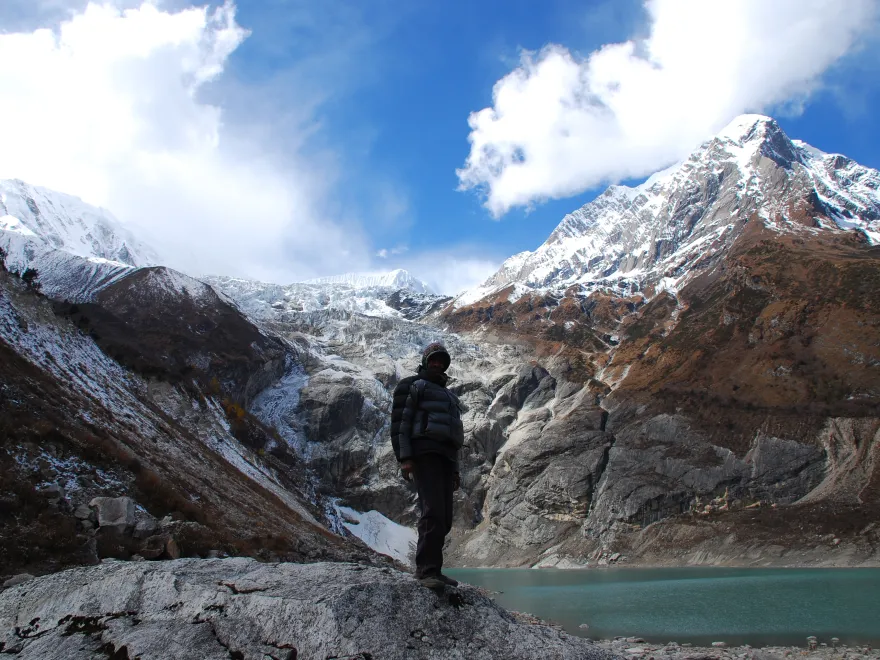
As you will make your way to Makalu Base Camp, this will be the most exciting day of the trek. The trail is relatively gradual but takes you through a stunning glacial valley with views of the Makalu massif getting closer with every step. As you reach the base camp, you’re surrounded by towering peaks, icefalls, and glaciers. At 4,870 meters, Makalu Base Camp offers a raw and powerful experience of the Himalayas. The sheer beauty and scale of the mountains around you are unforgettable.
Overnight in Makalu Base Camp.
Spend the day exploring the surroundings of Makalu Base Camp. You can take short hikes around the area for better views of the glaciers and ice fields, or simply relax and soak in the awe-inspiring landscape. The view of Makalu’s southwest face, one of the most difficult climbing faces in the world, is a true highlight. It's a perfect opportunity to take photos, reflect on your journey so far, and prepare for the return trek.
Overnight in Makalu Base Camp.
After an unforgettable experience at base camp, you’ll begin the descent. Retracing your steps back through the glacial valley, you’ll once again pass Langmale Kharka and follow the trail down to Yangle Kharka. Although you're retracing your route, the changing light and perspectives make the return just as beautiful as the way up.
Overnight in Yangle Kharka.
Continuing your descent, you’ll make your way back to Khongma, once again crossing the high passes and ridges. The trek is long and physically demanding, but the familiarity of the route and the improved acclimatization make it manageable. The views along this section are always rewarding.
Overnight in Khongma.
The trail now leads you back into lower elevations, with the greenery of the forests returning as you lose altitude. You’ll descend all the way to Seduwa, passing familiar landmarks and villages. The warmer air and lower altitude offer a welcome change and a sense of nearing the end of your journey.
Overnight in Seduwa.
On the final trekking day, you’ll hike back down to the Arun River, climb back up to Num, and complete your circuit. From Num, a vehicle will be waiting to drive you back to Tumlingtar. After days of trekking in remote mountain regions, arriving back in a town feels like a return to civilization—and a well-earned one.
Overnight in Tumlingtar.
Enjoy a morning flight from Tumlingtar back to Kathmandu. Upon arrival, you’ll be transferred to your hotel. You can spend the rest of the day relaxing, shopping for souvenirs, or enjoying a nice meal in one of the city’s many cafes or restaurants.
Overnight in Kathmandu.
Take a full day to explore the cultural richness of Kathmandu. Visit some of the UNESCO World Heritage Sites such as Boudhanath Stupa, Pashupatinath Temple, Swayambhunath and Kathmandu Durbar Square. It’s a great way to end your journey, immersing yourself in Nepal’s spiritual and historical heritage.
Overnight in Kathmandu.
After breakfast, you’ll be transferred to the international airport for your flight home. As you leave Nepal, you’ll carry with you lasting memories of the majestic Himalayas, the warmth of the people, and the personal triumph of completing one of the most rewarding treks in the world.
Your Start Date is the day you land in Nepal, and your End Date is when you fly home.
If the set MAKALU BASE CAMP TREKKING - 18 DAYS group dates don’t suit your schedule, we can offer alternative dates upon request.
| No of people | Price per person |
|---|---|
| 2 - 4 | $1,199 |
| 5 - 10 | $1,150 |
| 11 - 55 | $1,050 |
| No of people | Price per person |
|---|---|
| 2 - 4 | $1,349 |
| 5 - 10 | $1,329 |
| 11 - 15 | $1,299 |
| No of people | Price per person |
|---|---|
| 2 - 6 | $2,795 |
| No of people | Price per person |
|---|---|
| 2 - 6 | $1,850 |
| No of people | Price per person |
|---|---|
| 2 - 6 | $2,100 |