"Is the Manaslu Circuit harder than Everest Base Camp?" It's one of the first questions trekkers ask once they start looking past the more famous routes and it's worth answering honestly, because Manaslu isn't a gentler alternative to EBC. In several ways, it's actually more demanding.
Here's a clear breakdown of what makes the Manaslu Circuit trek difficult, who it's genuinely suited for, and how to prepare properly before you commit to this remote, high-altitude route.
Yes ,the Manaslu Circuit is rated moderate to challenging, and on the tougher end of that scale compared to routes like Annapurna Base Camp. You'll cross the Larkya La Pass at 5,106 meters, one of the highest trekked passes in Nepal, on a trail that's significantly more remote and less developed than Everest Base Camp or the Annapurna Circuit. There's no technical climbing involved, but the combination of extreme altitude, long trekking days, and genuine remoteness makes this a trek for prepared, reasonably experienced trekkers rather than complete beginners.
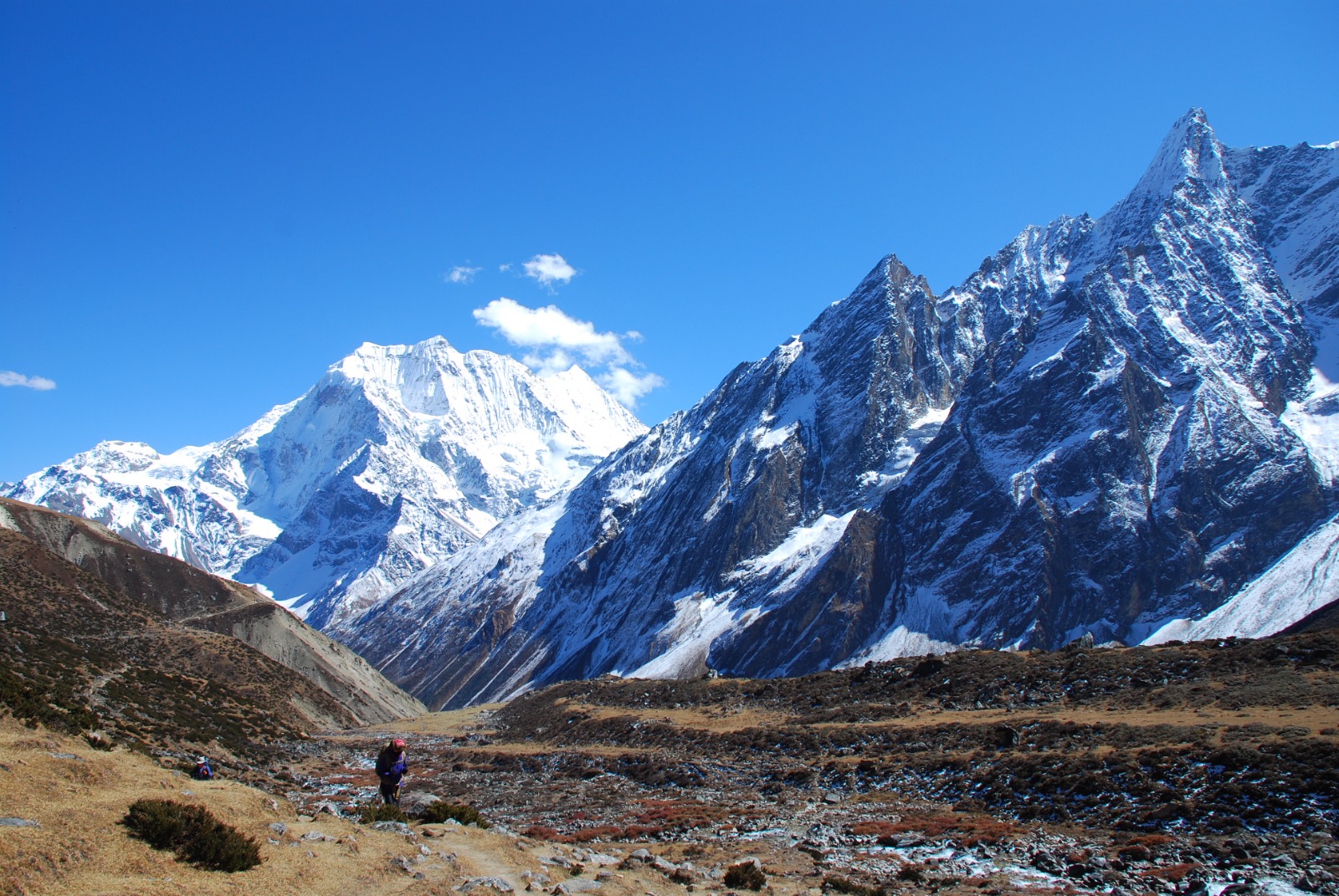
This is the single hardest day of the entire trek. The crossing from Dharamsala (Larkya Phedi) to Bimthang typically takes 8–9 hours, starting in pre-dawn darkness and cold to cross the pass before afternoon winds pick up. At 5,106 meters, air pressure is roughly half of what it is at sea level, and there's no quick escape route or teahouse partway through once you commit to the crossing, you're walking until you reach the other side.
Unlike Everest Base Camp, where Namche Bazaar offers a well-established acclimatization stop with bakeries, bars, and comfortable lodges, Manaslu's acclimatization days happen in smaller, more basic villages like Samagaon (3,530m). A well-planned itinerary still builds in proper rest days before the pass this isn't optional, given how serious the altitude gain becomes in the trek's second half.
This is a genuinely remote trekking route. Teahouses are more basic than on EBC or Annapurna, mobile signal is unreliable or nonexistent for long stretches, and in the event of a problem, help is further away. This isn't a reason to avoid the trek, but it does mean trekking with an experienced guide matters more here than almost anywhere else in Nepal.
Expect steep, often narrow trails through forested lower sections, exposed ridgelines higher up, and loose rock and scree near the pass itself. In winter and early spring, snow can make the Larkya La crossing significantly harder, or close it entirely timing your trek for the right season matters more on Manaslu than on most other routes.
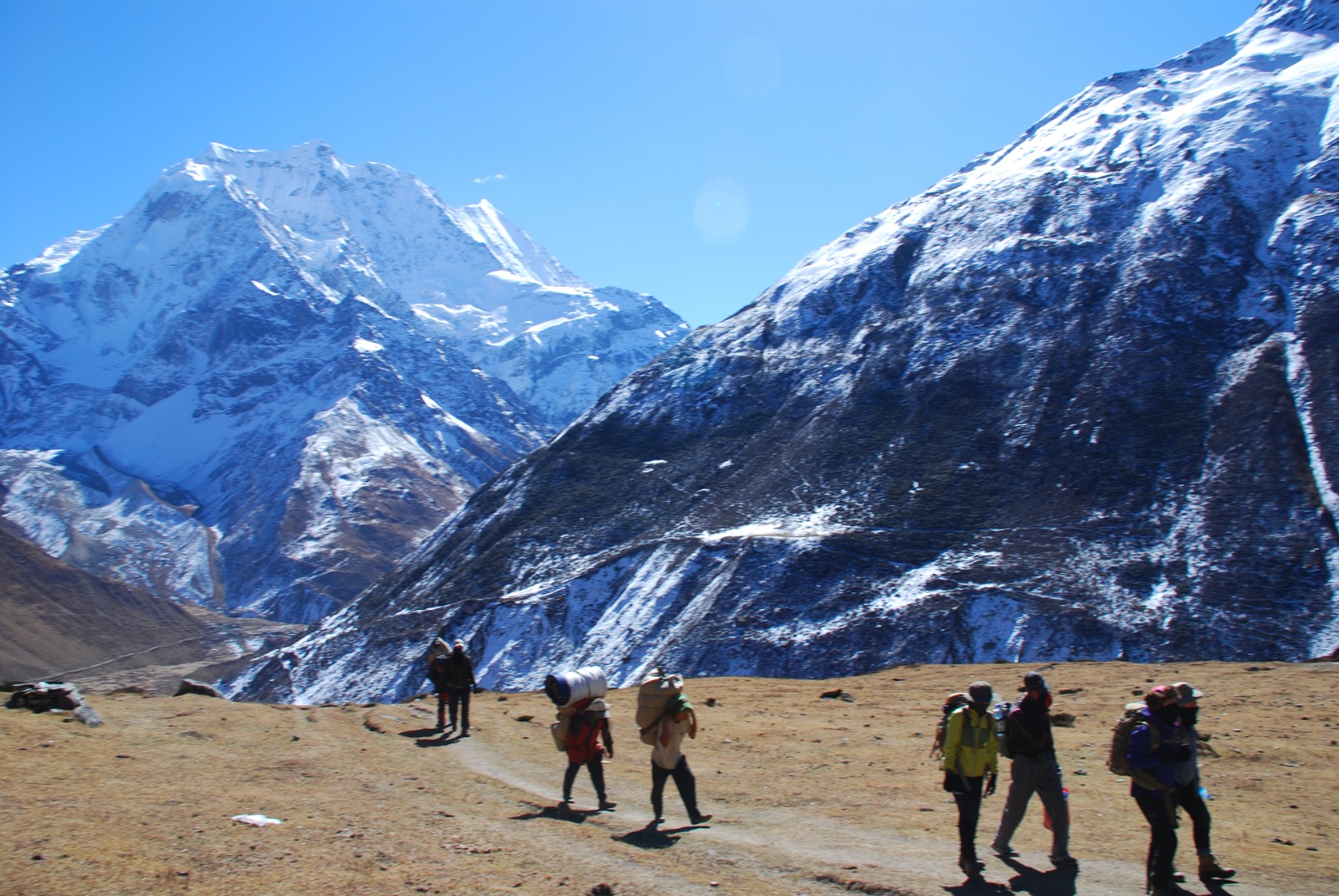
Several days on the Manaslu Circuit run 6–8 hours of walking, with limited flat sections. The cumulative fatigue not any single day is what most trekkers underestimate going in.
Altitude-wise, they're close Larkya La at 5,106m is comparable to Kala Patthar on Everest Base Camp at 5,545m, though EBC's high point is slightly higher. Where Manaslu pulls ahead in difficulty is remoteness and trail infrastructure: EBC's trail is busier, better supported, and has more frequent teahouse stops, while Manaslu demands more self-sufficiency and a higher tolerance for basic conditions. Most experienced trekkers consider Manaslu the tougher overall trek, even though neither reaches technical climbing territory.
You don't need mountaineering experience, but prior multi-day trekking experience is genuinely useful here, this isn't the ideal first trek for someone who's never done a multi-day hike before. A realistic prep plan:
The Manaslu Circuit passes through a restricted area, which means it works differently from more open routes like EBC or Annapurna:
All of this is arranged for you as part of a guided package one less thing to coordinate yourself on a route where self-arranging logistics is genuinely difficult.
Autumn (September–November) and spring (March–May) offer the most stable weather and the best odds of a clean Larkya La crossing. Winter brings heavy snow that frequently closes the pass entirely, and monsoon season makes the lower forested trail slippery and leech-prone while obscuring mountain views with cloud cover.
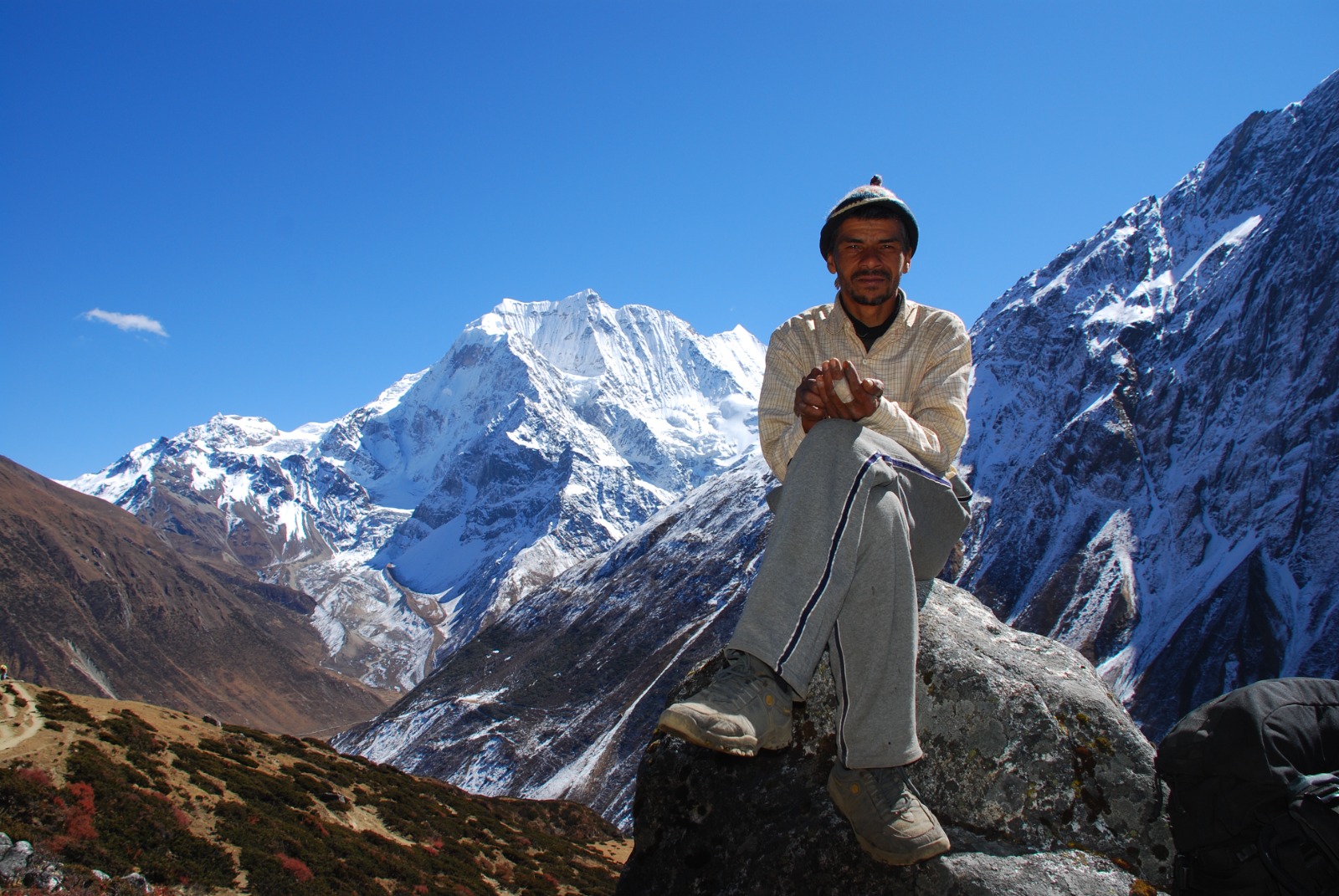
Manaslu isn't the right choice for everyone. It's worth reconsidering if:
If you want Himalayan scenery with a gentler introduction first, our Annapurna Base Camp Trek is a strong lower-altitude starting point before attempting something like Manaslu.
Do I need previous trekking experience for the Manaslu Circuit?
It's strongly recommended, even if not strictly required. The remoteness and pass-day difficulty reward trekkers who already know how their body handles multi-day effort at altitude.
Is the Manaslu Circuit harder than Annapurna Circuit?
Generally, yes. Manaslu reaches similar altitude but with less trail infrastructure and more remote terrain, making it the more demanding of the two overall.
Can I trek Manaslu solo?
Not independently a licensed guide is mandatory for the entire route due to its restricted-area status, though solo trekkers can join with a guide.
What's the hardest single day on the trek?
The Larkya La Pass crossing from Dharamsala to Bimthang, typically an 8–9 hour day starting before dawn.
Is Manaslu less crowded than Everest Base Camp?
Significantly. The restricted-area permit system keeps numbers much lower, which is part of the appeal for trekkers wanting a quieter, more remote Himalayan experience.
Thinking about taking on the Manaslu Circuit? Explore our Manaslu Circuit trek packages or get in touch and we'll help you plan the right season, itinerary, and preparation timeline.
Discover why Annapurna Base Camp is Nepal's most loved trek — panoramic mountain views, rich culture, hot springs, and practical tips to plan your own journey.
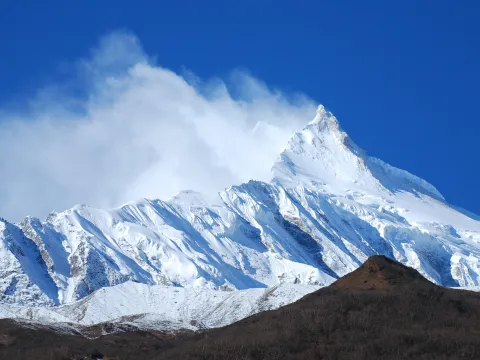
When trekkers dream of Nepal, names like Everest Base Camp, Annapurna Circuit, and Annapurna Base Camp naturally rise to the top. These legendary trails are renowned for their beauty, adventure, and cultural richness. Yet, as these routes have grown more popular over the years, many adventurers now seek something more - a quieter, wilder, and more authentic Himalayan experience.