Every first-time trekker asks us the same nervous question a few weeks before departure: "Have I packed too much, or not nearly enough?"
Both are common mistakes. Over-pack and you're the one struggling on the trail with a bag too heavy for your porter allowance. Under-pack and you're buying an overpriced fleece at 3,800m because you didn't realize how cold Himalayan nights actually get, even in "warm" months.
Here's exactly what to bring, organized the way you'll actually need it layer by layer, not just as a random checklist.
The Golden Rule: Layers, Not Bulk
Nepal's trekking trails swing through enormous temperature ranges in a single day starting a morning at 5°C and reaching 25°C by midday isn't unusual on routes like Everest Base Camp or Annapurna Circuit. The trick isn't packing one very warm jacket; it's packing several thinner layers you can add and remove as the trail climbs, flattens, and drops.
Clothing
Base layers (2–3 sets) Merino wool or synthetic moisture-wicking base layers, top and bottom. Avoid cotton it holds sweat and dries slowly, which becomes genuinely uncomfortable and even risky once you're sweating one minute and standing still in cold wind the next.
Mid layers
1 fleece or light down jacket
1-2 long-sleeve trekking shirts
1 pair of insulated or softshell trekking pants
Outer layer
A waterproof, windproof shell jacket non-negotiable, even outside monsoon season, since mountain weather changes fast
Waterproof trekking pants or shell pants, especially if trekking in spring or monsoon
A proper down jacket rated for sub-zero temperatures. Above 4,000m, nighttime and early-morning temperatures regularly drop below freezing, even outside winter.
Other clothing
4–5 pairs of moisture-wicking underwear
4–5 pairs of trekking socks (wool blend, not cotton) plus 1–2 pairs of liner socks to prevent blisters
1 warm hat / beanie
1 sun hat or cap
1 pair of gloves (lightweight for lower elevation, insulated for high altitude)
A buff or neck gaiter genuinely useful for dust, sun, and cold wind all in one item
Footwear
Trekking boots waterproof, ankle support, and already broken in. New boots on a 10+ day trek is one of the most common (and preventable) reasons trekkers develop painful blisters
Camp shoes or sandals for evenings at teahouses, giving your feet a break after a full day in boots
Gaiters useful in snow season or on dusty lower trails
Sleeping and Comfort
Sleeping bag rated to at least -15°C for high-altitude treks like EBC or Annapurna Circuit (teahouses provide blankets, but they're rarely enough on the coldest nights above 4,000m)
Sleeping bag liner - adds warmth and keeps the bag itself cleaner over a multi-day trek
Inflatable travel pillow - small, packs down to nothing, makes a real difference to sleep quality
Earplugs - teahouse walls are thin, and dorm-style rooms aren't unusual on busier routes
Health and Hygiene
Personal first-aid kit: blister plasters, any personal medication, basic pain relief, diarrhea medication (a genuinely common issue for first-time trekkers adjusting to local food and water)
Diamox (acetazolamide) - many trekkers carry this for altitude sickness prevention; consult a doctor before your trip rather than self-prescribing
Water purification tablets or a filter/UV purifier - refilling from taps or boiled water in teahouses is far cheaper and more sustainable than buying bottled water the whole way up
Hand sanitizer and wet wipes - hot showers become rare and cold once you're above Namche Bazaar
Sunscreen (high SPF) and lip balm with SPF - UV exposure at altitude is significantly stronger than at sea level, even on cloudy days
Toilet paper - teahouses don't reliably supply it above the lower villages
Gear and Accessories
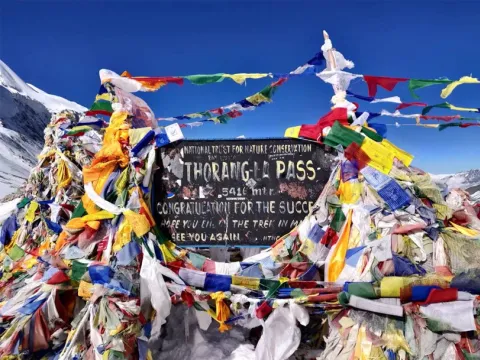
Trekking poles - genuinely underrated for knee protection, especially on long descents like the way down from Gorakshep or Thorong La
Headlamp with spare batteries - essential for early starts (Kala Patthar sunrise, Thorong La crossings) and teahouses with unreliable electricity
Daypack (25–35L) - for carrying your daily essentials if a porter is carrying your main bag
Duffel bag (for porter-carried luggage) - soft-sided, not a rigid suitcase, since porters carry these on their backs or with a forehead strap
Dry bags or packing cubes - keep clothing separated and protected from rain
Power bank - charging in teahouses is often available but sometimes charged by the hour or watt, so arriving with backup charge saves money
Reusable water bottle (1-2L capacity)
Documents and Money
Passport (with photocopies, and 4-6 passport-sized photos for permits)
Travel insurance details, specifically confirming high-altitude and evacuation coverage
Cash in Nepali Rupees - ATMs become unreliable or nonexistent past Namche Bazaar or similar trailheads, so carry enough for the full trek in advance
Printed or digital copies of your trekking permits (your operator typically arranges these, but keep copies yourself as backup)
What You Genuinely Don't Need
First-timers consistently over-pack these:
Multiple pairs of jeans or regular street clothes - they're heavy, slow to dry, and impractical on the trail
A full-size towel - a quick-dry microfiber travel towel does the same job at a fraction of the weight
Excess toiletries - teahouses and Kathmandu shops sell basics along the way if you run low
What to Rent in Kathmandu Instead of Buying
If this is a one-time trek for you, renting makes financial sense for the most expensive, least-reused items. Thamel's gear shops rent (per day, typically):
Item
Approx. rental cost/day
Down jacket
$1 – $2
Sleeping bag (-15°C or colder)
$1 – $2
Trekking poles (pair)
$0.50 – $1
Duffel bag
$0.50 – $1
For a two-week trek, renting a down jacket and sleeping bag combined typically costs $20-$40 total - often less than buying either item new, especially if you don't expect to use them again outside this trip.
A Simple Way to Think About It
If you're unsure whether to pack something, ask: does this help with warmth, dryness, or blister prevention? Almost everything that matters on a Himalayan trek falls into one of those three categories. Everything else is optional weight.
Not sure what your specific trek requires? Every Ace Treks itinerary comes with a trek-specific packing checklist once you book, tailored to the altitude and season of your trip. Get in touch if you'd like personalized packing advice before you fly.