Things to Know About Everest Base Camp Trekking
Trekking to Everest Base Camp (EBC) is more than just a physical journey - it’s a transformative adventure into the heart of the Himalayas. Each step along the trail offers something profound: the sight of fluttering prayer flags, the sound of yak bells echoing across suspension bridges, and the warmth of Sherpa hospitality high in the world’s tallest mountains.
Reaching Everest Base Camp at 5,364 meters (17,598 ft) is a dream shared by trekkers from every corner of the globe. But before you lace up your boots and set off toward the world’s highest peak, it’s essential to understand what the trek demands - physically, logistically, and emotionally.
Below, we break down everything you need to know before embarking on this once-in-a-lifetime journey.
How Hard Is the Trek?
The Everest Base Camp trek is often described as moderately challenging - not a technical climb, but a demanding walk at high altitude. You’ll be trekking 5–7 hours a day over rugged terrain, with steep ascents and descents that test both your endurance and mental focus.
Physical fitness is crucial, but you don’t need to be an athlete. Regular cardiovascular exercise, strength training, and long hikes with a backpack in the months leading up to your trip can make all the difference. The key is steady pacing, good acclimatization, and a positive attitude.
Is It Dangerous?
The EBC trek is generally safe when done responsibly. The greatest risk isn’t the trail itself - it’s altitude sickness, which can affect anyone regardless of age or fitness. Most trekkers experience mild symptoms such as headaches or fatigue as they ascend above 3,000 meters, but serious cases are rare with proper acclimatization.
Follow the “hike high, sleep low” rule, stay hydrated, avoid alcohol, and listen to your guide. Weather can change quickly, especially during the shoulder seasons, so carry warm layers and check conditions regularly. With the right preparation, your trek will be both safe and deeply rewarding.
Logistics and Planning
When Is the Best Time to Go for Everest Base Camp Trekking?
The two prime trekking seasons are spring (March–May) and autumn (September–November). Spring brings blooming rhododendrons and clearer skies, while autumn offers crisp air and the most stable weather. Winter treks are possible but colder, with snow at higher elevations; the monsoon (June–August) brings rain and slippery trails.
What Are the Costs for Everest Base Camp Trekking?
A typical Everest Base Camp trek can cost anywhere from $1,200 to $2,500, depending on the duration, route, and whether you trek independently or with an organized group. Costs include permits, flights to Lukla, accommodation, meals, guide/porter services, and occasional extras like Wi-Fi or hot showers depending on how much you pay for the trip.
What Do I Need to Pack?
Packing smartly can make or break your experience. Essentials include:
Pack light - porters typically carry 15–20 kg per trekker.
How Long Does It Take?
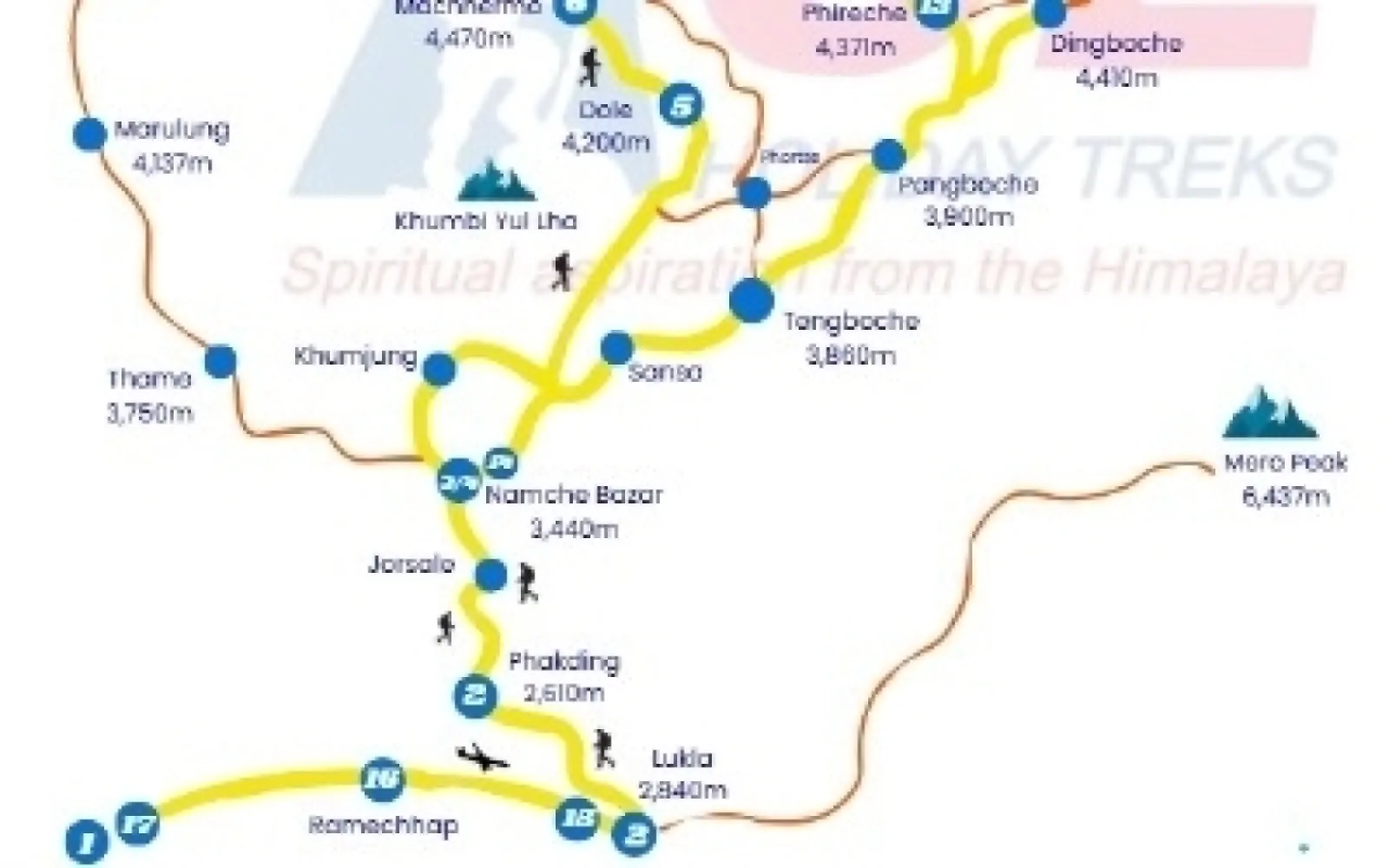
The classic route from Lukla to Everest Base Camp and back takes 12–14 days, including acclimatization stops in Namche Bazaar and Dingboche. Faster treks are possible but not recommended, as rushing increases the risk of altitude sickness.
What Permits Are Needed?
You’ll need two key permits:
1. Sagarmatha National Park Entry Permit (around NPR 3,000)
2. Khumbu Pasang Lhamu Rural Municipality Permit (around NPR 2,000)
You don't have to worry about it. Both can be arranged by our company and / or our guide in Kathmandu and / or at entry checkpoints.
Do I Need a Guide and Helper (Porter)?
While the trail is well-marked, hiring a licensed guide and porter is highly recommended. A guide enhances your safety, manages logistics, and enriches your cultural experience. A porter carries your main bag, allowing you to focus on the trek itself. This also supports the local economy - an important part of sustainable tourism in the Khumbu region.
What About Altitude Sickness and Other Health Issues?
Altitude sickness (AMS) can occur above 2,500 meters and typically appears as headaches, dizziness, or nausea. To minimize risks:
Other common issues include mild colds, dehydration, or fatigue. Carry basic medications, and always inform your guide of any discomfort early.
On-Trail Experience
What Is Accommodation Like?
While you can choose what type of hotel you want to stay in Kathmandu, usually in mountain, you’ll be staying in very nice and clean mountain teahouses / lodges - simple lodges run by local families. Rooms are basic, with twin beds and blankets; bathrooms range from shared squat toilets to more comfortable options in larger villages. Hot showers and charging facilities are available, usually for a small extra fee.
What Food Is Available?
Menus are surprisingly varied, offering rice, noodles, soups, vegetables, eggs, pancakes, spaghettis, porridge, muesli and the famous “Dal Bhat” - a lentil and rice dish that fuels trekkers for hours. Stick to vegetarian meals above 4,000 meters to avoid stomach issues, and purify all drinking water using tablets or a filter.
Is There Mobile Network, Wi-Fi, and Electricity?
Yes - but don’t expect perfect connectivity. Ncell and NTC networks work intermittently up to Everest Base Camp, and most lodges offer Everest Link Wi-Fi cards for purchase. Electricity is solar-powered in many areas, so charging costs around $2–5 per device. Carry a power bank for backup.
Is There Alternative Transportation When Necessary?
If you need to end the trek early due to illness or time constraints, helicopter evacuation is available from several points, such as Pheriche or Lukla. This can be arranged through insurance or paid privately. In case you feel very uncomfortable and need helicopter evacuation, consult with our guide and the guide will contact our office for smooth procedure. Some trekkers also choose to fly back from Gorak Shep for a scenic shortcut, though this is a costly option.
Everest is calling
The Everest Base Camp Trek is not just about reaching a destination - it’s about the journey, the people you meet, and the resilience you discover in yourself. Every breath at high altitude feels like an achievement, every sunrise over the Himalayas a reward for your determination.
With proper preparation, respect for the mountains, and an open heart, your trek to Everest Base Camp will be an experience that stays with you for a lifetime. Please feel free to contact Ace Holiday Treks for comprehensive information about the possible trails, programs, services, cost and further preparation for Everest Base Camp Trekking.