
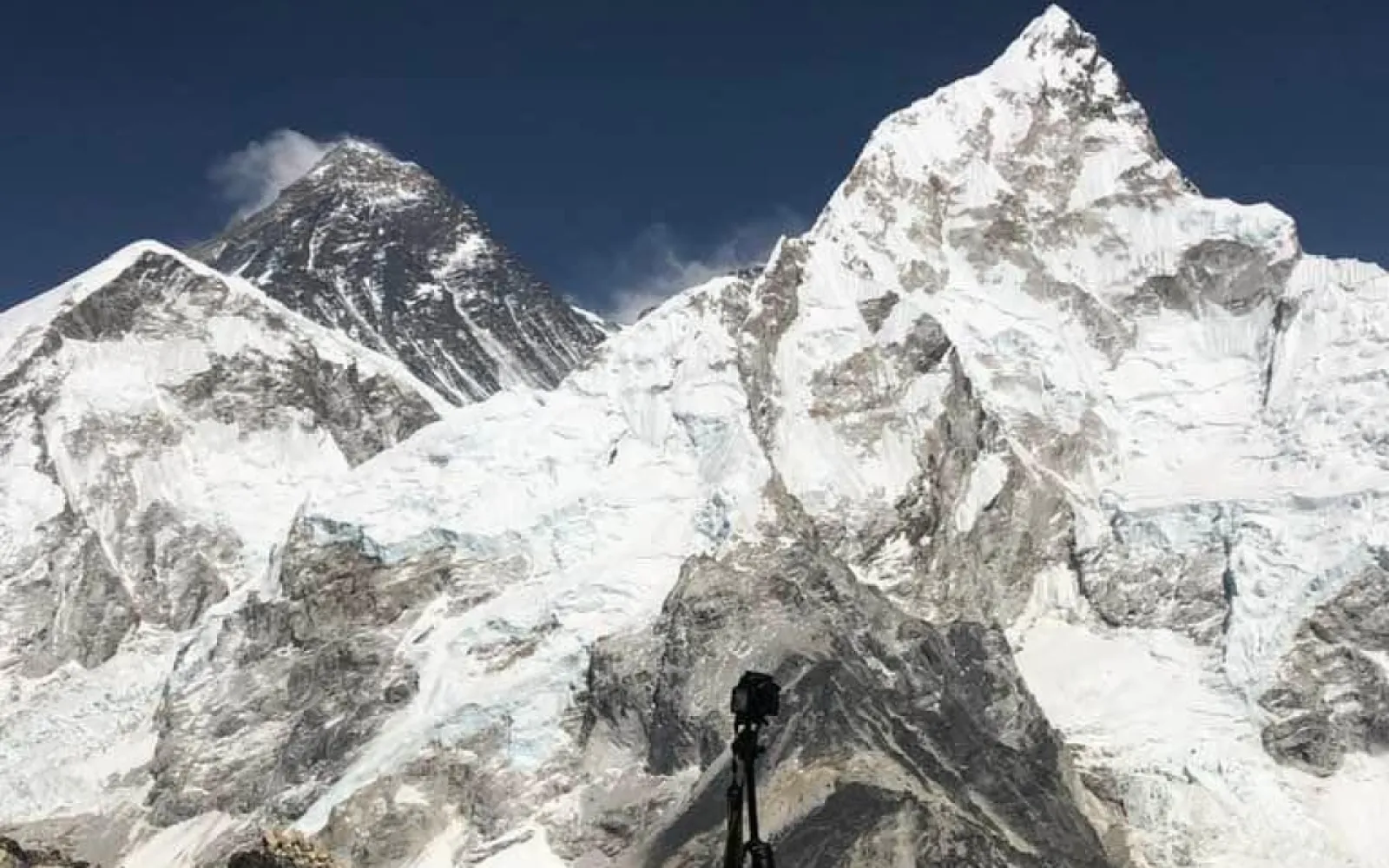
Everest Base Camp Trekking is the pinnacle of adventure trekking in the Himalayas, offering an unrivaled combination of scenic beauty, cultural richness, physical challenge, and emotional fulfillment. Set against the backdrop of the majestic Mount Everest—the world’s highest peak—this legendary trek leads you through some of Nepal’s most awe-inspiring landscapes and deeply rooted mountain cultures.
For those seeking a life-changing experience, a break from the ordinary, and an intimate connection with nature, Everest Base Camp Trekking delivers beyond expectations. It is not just about reaching a destination; it’s about the stories you collect, the personal transformation you undergo, and the pure joy of walking in the shadows of giants.
So why is it considered the best ultimate adventure trekking in the world? Let’s dive into each reason in detail.
No name evokes more awe among mountaineers and adventurers than Mount Everest (8,848.86 meters), known locally as Sagarmatha in Nepali and Chomolungma in Tibetan. Standing before Everest is like standing in the presence of greatness.
During Everest Base Camp Trekking, you won’t summit the mountain, but you’ll trek to its base—a sacred ground for climbers from around the globe. You’ll witness the massive icefalls of the Khumbu Glacier, gaze upon the iconic south face of Everest, and understand why this mountain holds such mythical status. The sense of scale, the biting wind, the silence—everything about Everest is extraordinary.
Nepal is more than just mountains. It is a spiritual, cultural, and natural treasure. A landlocked country nestled between China and India, Nepal is a land of contrasts—from lowland jungles to towering peaks, vibrant cities to peaceful monasteries.
Everest Base Camp Trekking reveals the true essence of Nepal. You walk through Sherpa villages, ancient Buddhist shrines, and hidden valleys while being constantly surrounded by snow-capped giants. The warmth of Nepali hospitality, the simplicity of rural life, and the harmony between people and nature make Nepal one of the most memorable countries to explore.
What makes Everest Base Camp Trekking truly unique is the balance it strikes between accessibility and intensity. It’s one of the few treks in the world that allows non-climbers to reach such high altitudes and still experience the harsh yet beautiful Himalayan environment.
The trail is not technical but demands endurance, determination, and careful acclimatization. You'll climb steep switchbacks, cross swinging suspension bridges draped in prayer flags, and face the physical challenges of high altitude. But with every step, you’re rewarded—with ever-expanding views, life-changing conversations, and the satisfaction of pushing your limits.
The Everest region is home to some of the highest and most iconic peaks on Earth. Throughout the Everest Base Camp Trekking route, trekkers are blessed with panoramic views of:
Lhotse (8,516 m) – The fourth-highest mountain in the world
Nuptse (7,861 m) – Towering over the Khumbu Glacier
Ama Dablam (6,812 m) – Often called the most beautiful mountain in the world
Thamserku, Kangtega, and Pumori – Stunning in their grace and power
These views are not fleeting. They follow you, change with the light, and often leave you breathless—not just from the altitude but from the sheer magnificence.
Your journey begins with an adrenaline-pumping flight to Lukla Airport, often described as one of the most thrilling airports in the world. Perched at an elevation of 2,860 meters, with a short and sloped runway, this flight is your dramatic gateway to adventure.
The aerial views of the Himalayas, green valleys, and snow-covered ridgelines are simply unforgettable. For many, this short flight sets the tone for the entire Everest Base Camp Trekking experience—a combination of wonder, excitement, and adventure.
Located at 3,440 meters, Namche Bazaar is more than just a stopover—it’s the cultural heart of the Khumbu region. Nestled in an amphitheater-like valley, Namche is where tradition and trekking culture meet.
Here, you’ll find cozy bakeries, lively markets, mountaineering museums, and breathtaking viewpoints like Everest View Hotel. Spending a couple of nights here for acclimatization allows you to interact with the Sherpa community, whose courage and hospitality are legendary. Namche offers a vibrant taste of Himalayan life that enriches your Everest Base Camp Trekking experience.
As you trek through Sagarmatha National Park, a UNESCO World Heritage Site, you’re not just walking a trail—you’re exploring a globally significant ecosystem. This protected area is home to alpine forests, glacial rivers, rare birds, and endangered species like the snow leopard and Himalayan musk deer.
The park’s natural beauty is complemented by spiritual landmarks—mani walls, prayer flags, and chortens that blend seamlessly into the landscape. The sense of preservation and reverence for nature here adds spiritual depth to the physical journey of Everest Base Camp Trekking.
The Himalayan region is deeply spiritual. Along the trek, you'll visit ancient Buddhist monasteries, each offering a serene break from the physical rigors of the trail:
Tengboche Monastery: The most famous, with jaw-dropping views of Ama Dablam and Everest.
Pangboche: Home to one of the oldest monasteries in the region.
Khumjung and Thame: Sheltering sacred relics and maintaining centuries-old traditions.
Participating in prayer ceremonies, listening to monks chant, and lighting butter lamps make Everest Base Camp Trekking a journey of inner peace as much as outer exploration.
One of the most unique aspects of Everest Base Camp Trekking is the opportunity to stay in local tea houses. These small, family-run lodges offer warm meals, simple rooms, and a glimpse into daily mountain life.
Meals like dal bhat (lentils and rice), Tibetan bread, and garlic soup are not just nourishing—they are cultural experiences in themselves. Sharing meals with fellow trekkers and hosts creates a sense of community that is often the most cherished memory of the trek.
In a world dominated by screens, deadlines, and noise, Everest Base Camp Trekking is a powerful antidote. For nearly two weeks, you disconnect from city chaos and reconnect with nature’s rhythm.
Each day starts with crisp mountain air and ends under star-studded skies. The silence of high-altitude forests, the rush of glacial rivers, and the whistle of the Himalayan wind bring clarity, mindfulness, and an unmatched sense of freedom.
While Everest Base Camp itself is a rocky glacial platform with views of the Khumbu Icefall, it holds deep emotional value. Standing there, surrounded by mountains, you realize the magnitude of where you are.
But for the best view of Mount Everest, an early morning hike to Kala Patthar (5,545 meters) is essential. The sunrise illuminating Everest’s golden summit is one of the most iconic sights in the world—a fitting reward after days of effort.
Trekking to Everest Base Camp is not easy. Altitude sickness, cold weather, and long hours of walking test your endurance. But these challenges are part of what makes the experience so meaningful.
Everest Base Camp Trekking teaches humility, patience, and self-belief. Every obstacle you overcome—mental or physical—makes your journey more personal and transformative.
Reaching Everest Base Camp is a proud achievement. It’s not about medals or certificates—it’s about proving to yourself that you can do hard things. The sense of accomplishment you feel at the end of the trek stays with you forever. It reshapes your limits, builds resilience, and often inspires a deeper love for the outdoors.
In every sense, Everest Base Camp Trekking is a journey of a lifetime. It offers adventure, culture, nature, and self-discovery—woven into one epic Himalayan experience. Whether you’re a seasoned traveler or a first-time trekker, this is a path that welcomes all who are willing to take the first step.
If you are asking why Everest Base Camp Trekking, the answer is:
Because it’s not just a trek. It’s a story you’ll tell for the rest of your life.
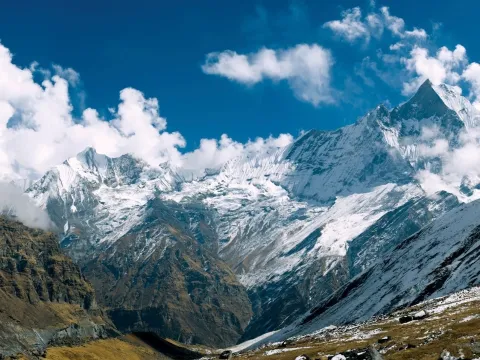
Nepal, a landlocked country nestled in the heart of the Himalayas, is renowned for its stunning landscapes, rich culture, and warm hospitality. With eight of the world's fourteen highest peaks, including Mount Everest, Nepal attracts adventurers and travelers from around the globe.
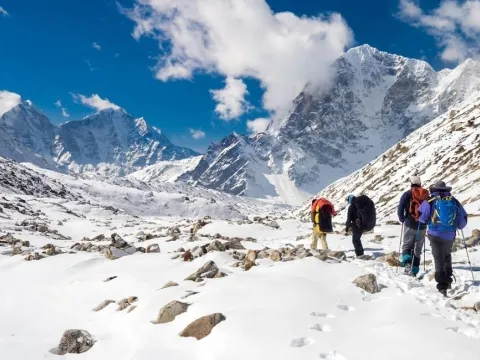
The Everest Region, renowned for its breathtaking landscapes and rich Sherpa culture, offers some of the most iconic trekking routes in the world. One of the most popular is the trek to Everest Base Camp, which typically begins in the vibrant town of Lukla.
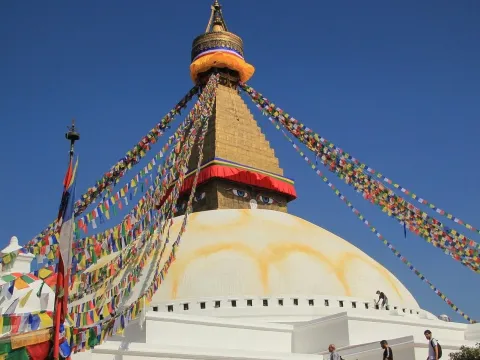
Nepal, a land of stunning landscapes and rich cultural heritage, offers a diverse range of tour destinations that promise unforgettable experiences in 2024. One of the most iconic places to visit is Kathmandu, the bustling capital city. As a melting pot of history and modernity, Kathmandu is home to several UNESCO World Heritage Sites, including the historic Durbar Square, which showcases exquisite temples and palaces reflecting the artistry of ancient Nepal.
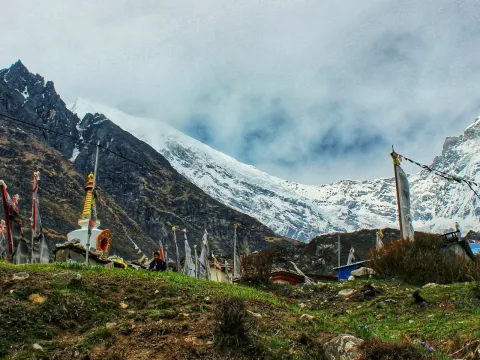
The Langtang Region, located in the northern part of Nepal, is a stunning trekking destination that offers breathtaking views, diverse landscapes, and rich cultural experiences. The region is known for its proximity to the Langtang National Park, which is home to unique wildlife and lush forests, as well as the majestic Langtang Lirung (7,227 meters).