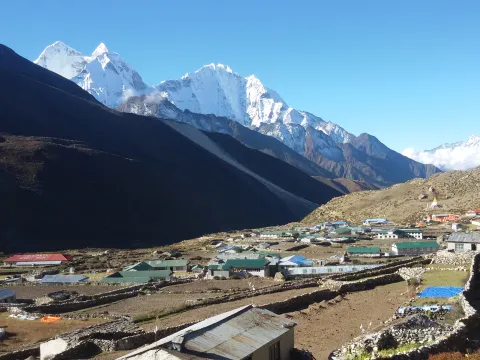
Jiri Everest trek package follows the old Everest trekking route. This ultimately lends it a title of classical Everest Base Camp trek. Jiri to Everest route became popular when Tenjing Norgey Sherpa and Sir Edmund Hillary successfully climbed Mount Everest for the first time in 1953With colossal height of 8848m, Mount Everest is the highest mountain in the world that lies in Khumbu region of Nepal.Trekking from Jiri was the only viable option in earlier days when there was no airport in Lukla. These days, Everest trek from Jiri is not followed by many trekkers. Therefore, you can enjoy the privilege of treading through the least crowded trekking area which progresses through High Himalayan forest of blooming rhododendrons, rivers, high passes, ridges and desolate settlements. You can find the remnants of several century old culture and traditions still persisting today.Kathmandu to Lukla flight supplants the trekkers to save 8 days. In other words, it takes 8days to reach Phakding from Jiri while Phakding can be reached in a single day by taking Kathmandu Lukla flight. Many For the trekkers on a pressed schedule and also for those willing to travel with adventures, Everest trek begins from the trek Lukla to Phakding.The trail for trek Jiri Everest meets with Everest trail from Lukla in Phakding.Ace Holiday Treks currently offers 21 days Jiri Everest trek package that begins with 8hrs of drive.We will pass through several sparsely populated villages and high pass to reach Phakding . Then we will continue the trail to Everest Base camp. Jiri Everest trekking is more beneficial than Lukla Everest Base Camp trek because Jiri Everest trekking allows longer days for acclimatization. We will cross Dudhkoshi River, climb Lamjurala pass, explore Tengboche Village which is the home for largest monastery in Khumbu Region. We will enjoy the panoramic views of Everest, Thamserku, Lhotse, Nuptse and Mera peaks, cross Trakshindo La Pass and Khari La Pass, visit Gorakshep lake and get sunrise view over Mount Everest from Kalapatthar.
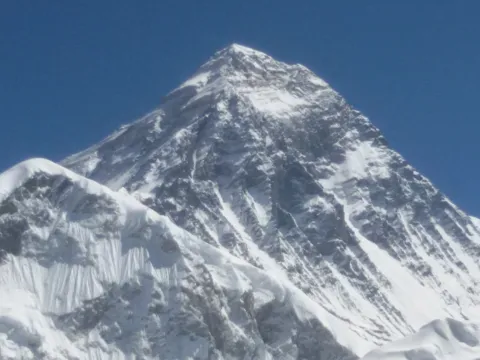
Everest base camp and Gokyo lakes trek is one of those challenging and awe inspiring treks in the Everest region. Embued with the scenic beauty of lakes, challenging walks over glacial moraines, dunes, and steep trail, ascents to Gokyo Ri and Kalapatthar, the by standers will get to venture joyous alteriety of all the scenic beauties in the mountain region. Another sight for you to relish is Kalapatthar. You will get to pick the sight of the 360 degree panoramic views of Everest and other mountains. Also, climbing the Gokyo Ri offers you mesmerizing views of mountains, lakes, glacier, the Ngozumpa Glacier, and valley down below.You shall also get amazing textures of Sherpa villages along with the delicacies of Sherpa culture. What are the sights to watch? First, you all shall visit lake Longpongo, second, it shall be lake Taboche Tsho, third goes for lake Dudh Pokhari, fourth lake Thonak Tsho, and the lastly lake Ngozumba Tsho during your stay at Gokyo.Your trek ranges for eighteen days starting from the day you land to Kathmandu. After an extra allocated day for sightseeing in Kathmandu, you shall fly to Lukla. Then you will embark to Phakding. You shall spend an additional day at Namche Bazar for acclimatization and exploration, and head off towards Tengboche. Via Dingboche, Lobuche, Gorakshep, you are all set for Everest Base Camp. After watching the sunrise from Kalapatthar, we will move along the trail that descends down to Pheriche.From Pheriche you shall head off to Phortse Thanga, and then to Machhermo and finally to Gokyo. You will have a whole day to explore Gokyo. Then via Dole you shall return back to Namche Bazar, Lukla, and finally to Kathmandu.
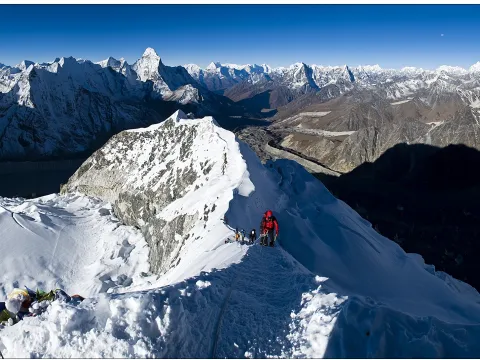
Island Peak, locally known as Imja Tse, stands proudly at the end of the Chhukung glacier and lies between two towering giants—Ama Dablam and Lhotse. It is one of the most popular trekking peaks in Nepal and serves as an excellent choice for those who want a real climbing experience without the extreme difficulty of higher Himalayan expeditions.Due to its rugged and isolated terrain, Island Peak is often regarded as one of Nepal’s more adventurous and technically exciting climbs, even for experienced trekkers. The name “Island Peak” was given by early climbers because it appears like an island rising out of a sea of ice from Dingboche. Each year, nearly 300 groups of trekkers and mountaineers set out to conquer this peak. The journey itself is as rewarding as the summit—with stops at world-famous locations like Everest Base Camp and Kala Patthar, it adds great value to the trip. These iconic destinations offer unforgettable views of Mt. Everest and the surrounding massif.The most demanding section of the climb is the final part—an exposed and steep section of mixed ice and rock that leads to a narrow summit ridge. Climbing this portion requires focus, stamina, and the use of mountaineering equipment.The best seasons for Island Peak are spring (March–May) and autumn (September – November) when the skies are clear, the weather is relatively stable, and the trails are at their best.Your adventure begins with a scenic flight from Kathmandu to Lukla, a short but unforgettable experience as you soar between green hills and rugged ridges before landing at the Tenzing Hillary Airport. In high seasons, flights may operate from Ramechhap, which involves an early drive to Manthali before flying into Lukla.From there, you’ll begin a classic Himalayan trek through forests, valleys, rivers, and ridgelines—all while gradually ascending towards your climbing objective. The trail follows the Dudh Koshi River, passes through Namche Bazaar, the heart of the Khumbu region, and continues up toward Everest Base Camp, where you'll acclimatize before heading into Chhukung and Island Peak Base Camp.Along the way, you’ll stay in authentic teahouses, visit Sherpa monasteries, and experience the deeply spiritual rhythm of life in the Himalayas. On your return, you’ll trek back down to Lukla, carrying with you memories of high-altitude triumphs, stunning scenery, and personal transformation.
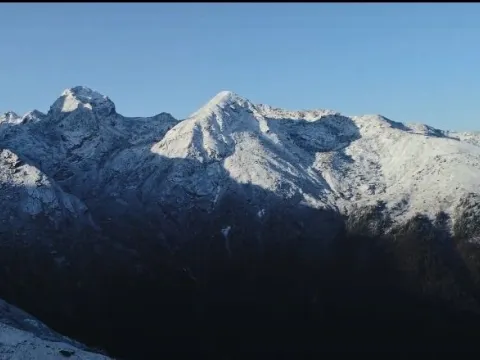
Langtang region in Nepal is located in the North central Himalayan region of Nepal, north of Kathmandu and bordering Tibet. It is a protected region namely Langtang National Park. The region includes numerous peaks including Langtang Lirung (7246m). With about 5,000 indigenous Tamang people living inside the national park area, most of them rely on the park for timber and firewood. The majority of the residents are Tamangs.The park contains a range of climatic zones, from subtropical to alpine. Approximately 25% of the park is forested. Trees include the deciduous Oak and Maple, and evergreens like Pine, including various types of Rhododendron. There are Himalayan wild lives like Himalayan black bear, the goat-like Himalayan Thar, Rhesus, monkeys and Red Pandas. The region is also forged with the stories of Yeti sightings.
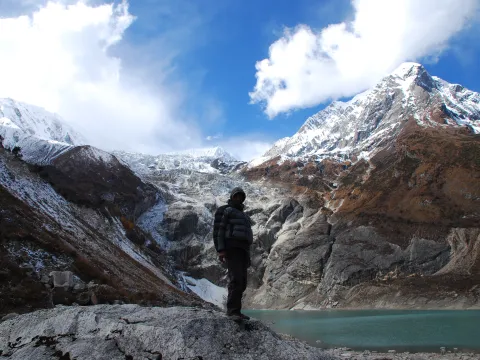
Manaslu Circuit Trekking is commonly considered one of the most adventurous and also challenging treks in Nepal. Manaslu circuit supplants the adventure-seekers with some unparalleled experience of Himalayan mountain trekking. Manaslu trek offers the textures of rich cultural heritage of the region with the unsurpassed natural beauty of the Himalayan Range.Trekkers can also witness the fascinating Tibetan culture that exists till the day in the Manaslu region. Mount Manaslu is the 8th highest peak in the world with an altitude of 8156 meters. It is located along the border between Nepal and Tibet. It is believed that the word Manaslu was derived from a Sanskrit word “Manasa” which infers “soul” or intellect. Hence, Mount Manaslu is also commonly known as the Mountain of the Spirit.Manaslu trek is one of the most delightful adventures you can imagine as it gives you the wonderful opportunity to stroll around the traditional villages, past the rivers and tress, bear witness to the local people and culture. Finally, it is a portal to behold the majestic views of the Himalayan Mountain Range from a very close distance.The trek might be quite demanding at times as it is physically challenging and strenuous. Nevertheless, real thrill comes with adventures . So , you wouldn’t want to miss out on the opportunity of exploring Manaslu region.Also, you will get all the perks of the trek when you reach the Larkya La Pass via Manaslu Circuit Trek. It is challenging and demands physical fitness, good stamina and mental strength.The trip usually begins from Kathmandu with a bus ride to Machhakhola, Gorkha via Malekhu, Dhading Besi and Arughat. The core trekking part of the adventure trip begins from Machhakhola, a small village, in Gorkha district, and ends at Dharapani in the Annapurna region. In between, Manaslu treks offers a unique but also challenging opportunities to explore the pristine and untouched beauty of Nepal.
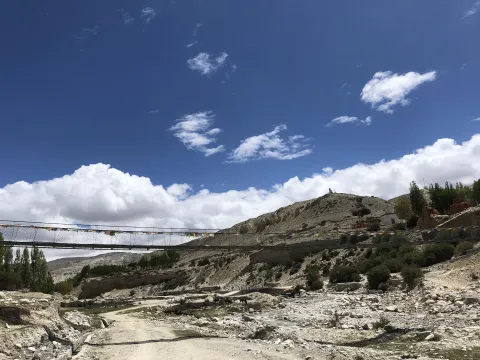
Upper Mustang Trek is a surge to the ancient utopian civilization in the Upper Mustang Region of Nepal. There are all these fascinating packages of places that come along with this trek. Lo Manthang, the ancient kingdom of Mustang district is rich in ancient history and mountain civilization. Likewise, a handy trek to this place is an excellent way to know about the ancient Buddhist kingdom. Apart from the spellbinding mountains views, historic caves, beautiful monasteries : Amchi Museum, colorful walls, and the prayer flags are some of the other captivating attractions you wouldn’t want to miss during the hike .The upper mustang itinerary starts from Kathmandu after you arrive at Tribhuvan International Airport. However, the trekking days will only start from Jomsom. With Heaven Himalaya, the maximum elevation you take on the trek is to Nyi La Pass after Ghaymi which is at 4010 m (13,156ft). Although the height you trek to is above 3500 m, it is a moderate level trek and doesn’t incorporate any difficulties. So, it is also a suitable option for beginner trekkers planning to hike in the high Himalayas.Upper Mustang generally includes the northern half of the Mustang district close to the Tibetan Border. It is a very historically significant place till this date.Upper Mustang is a big piece of dry land. Nevertheless the beauty it harbours is unmatchable. Since it receives the least rainfall, the region is one of the driest of all in Nepal. Despite being fry, there are all these beautiful rivers that walk along the mountains. For instance, it is one of the best sites for monsoon treks as well.Undoubtedly, Upper Mustang has the unique beauty and glamour that no other trekking destination can provide. It is a rare gem to the people seeking mystery and creating mythical narratives of the world of fantasy. The trek will enchant you with all the beautiful mountains such as Mt. Annapurna, Mt. Dhaulagiri, and Nilgiri Himal. Furthermore you wouldn’t want to miss all those mysterious caves and ancient Monasteries.
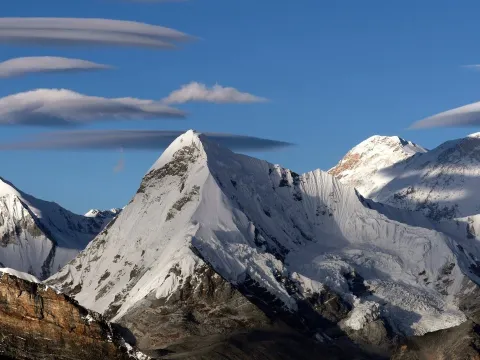
Mera Peak is a popular trekking peak located in the Everest (Sagarmatha) region of eastern Nepal. It is well-known among trekkers and climbers looking for a good climbing adventure in Nepal. Standing at about 6,476 meters, it is considered easier to climb compared to other high peaks. Mera Peak has three main summits: Mera North (6,476 m), Mera Central (6,461 m), and Mera South (6,065 m). There's also a smaller trekking summit that looks like a separate peak from the south, though it's not clearly shown on most maps.The journey to Mera Peak usually starts with a scenic mountain flight from Kathmandu to Lukla, at the Tenzing Hillary Airport. This 35-minute flight offers beautiful views of the Himalayas. Once you reach Lukla, your trekking and climbing adventure begins. In the past, there was also a longer trek route by walking from Jiri to Lukla, which follows the classic Everest trekking route, but its not so popular nowadays as there are road access to the lower part of the route. There are a few different routes to get to Mera Peak Base Camp, but the easiest and most popular one is often chosen. If you're looking for wide views of the Himalayas, including Kanchenjunga and Makalu, the High Camp is an excellent spot to stop and enjoy the scenery. The northern route of Mera Peak is also known to be a more direct and straightforward path for climbing.
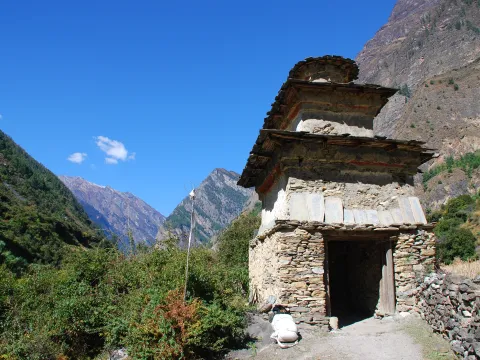
Upper Dolpo (Dolpa) of the Dolpa district of Western Nepal is a remote part of Nepal full of reminiscences of the wilderness. Bordered by Tibet in the north, this region correlates with Tibet in terms of culture and lifestyle.You get to dig out the amazing textures of waterfalls and beautiful lakes around the entire region. Situated at an altitude of 3,611.5 metres, the fresh water of the Shey Phuksundo Lake is flamboyant.The region is also notorious for the spread of Tibetan Buddhism. Among others, Kang La (5,240m) pass (Nangdola pass), Shey Gompa (4280m), Lnag La (5002m ), Sime Gaon (3950m) & Yak Kharka (4780m) are the main attractions that you wouldn’t want to miss. The camping trek is suitable for you if you want to spend your walking holiday in the hidden part of the world which makes you feel that you are from another world. Upper Dolpo trek will be a lifetime experience of a walking holiday for you.
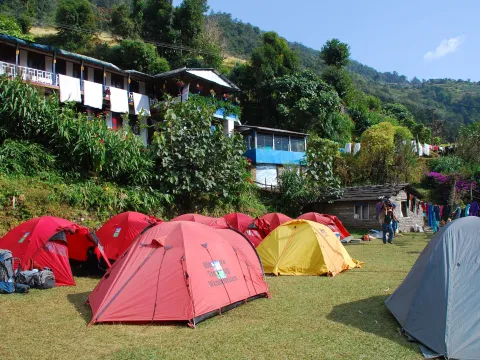
Kanchenjunga is the Tibetan term which roughly translates to five jewels. The jewels are referred to the five snow-capped peaks that supplants the making of the complete Kanchenjunga Mountain. Kanchenjunga constitutes five peaks .Among them, the main peak, west peak or Yalung Khang, south peak and middle peak are more than 8400m high.Conquered for the first time in 1955 by the British team led by Joe Brown and George Band, Kanchenjunga is the third highest mountain of the world. Located in eastern Nepal, Kanchenjunga is the most popular mountain of north eastern Nepal. It is also marks a border with Sikkim.Being a part of Kanchenjunga expedition is a lifetime opportunity to delve into the wildest and most remote part of Nepal. Ace Holiday Treks is currently offering 24 days Kanchenjunga Trekking starts from the domestic airport in Kathmandu with an hour of Kathmandu Biratnagar flight. It is from here that we will take the flight from Biratnagar to Suketar.We will stroll through the teahouses at Mitlung, Chirwa and Sukathum to arrive at Amjilosa rover. Afterwards,we will move in and out of Tibetan village of Gyabla. Then, time to pass through the Tibetan refugee camp at Phale and move for a Sherpa village of Ghunsa.We will proceed to Kanchenjunga Base Camp. Before we reach the summit, there will already be four high camps. The route from Camp II to Camp IV is dsangerous given that we need to proceed through the ice fall, an area prone to avalanche. April, May, October and September are the best months to set off for the Kanchenjunga Trekking Expedition.
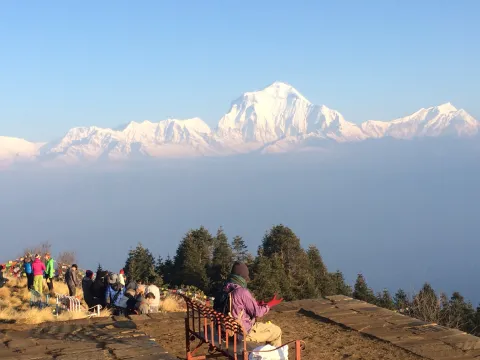
Dhaulagiri Trekking is a three-week long adventure and challenge that you ought to undertake if you are up for the perks of climbing. The remote trekking trail continues through the route stretching to the west of Annapurna. It continues through the foothill of the world’s seventh highest mountain at Dhaulagiri Base Camp and passes through the glacier to the famous French Col Pass to the Hidden Valley.Since this is extremely difficult trek, it is not recommended for you if you are a beginner. We recommend this trip only for seasoned trekkers. Although the trek drains you of energy, the exploration in Dhaulagiri is certainly the once in a lifetime opportunity.Ace Holiday Treks has been operating 21 days trek for many years. All our staffs are trained for emergency rescue and the team leader himself has successfully climbed Dhaulagiri for several times. He is an eloquent speaker, well versed in English language. Follow the instructions of your team leader carefully. Your safety is our prime concern. We use only the best trekking gears.Enjoy the perks of trekking that comes along diverse terrains as highland villages, meadows, glaciers, forest, passes and rivers and eye feast. Additionally the beautiful views of as many as fifteen 7000m+ peaks including Putali Himal, Tukuche Peak and Dhaulagiri Mountain will keep you grounded. Travel through the Gandaki Gorge to Myagdi glacier.We will drive from Kathmandu to Beni via Pokhara. Dhaulagiri Trekking begins at Beni and progresses through Babichaur, Dharapani, Muri, Boghara, Dovan, Italian Base Camp and Glacier Camp to Dhaulagiri Base Camp. Return trail continues through French Col, Hidden Valley Camp and Yak Kharka to Jomsom. We will take Jomsom Pokhara flight and take bus from Pokhara to Kathmandu.
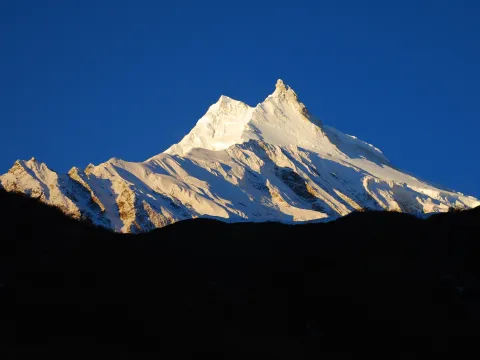
Manaslu Tsum Valley with Manaslu Circuit Trekking is commonly considered one of the most adventurous and challenging treks in Nepal. Manaslu trek offers the textures of rich cultural heritage of the region with the unsurpassed natural beauty of the Himalayan Range.Trekkers can also bear witness to the fascinating Tibetan culture that persists till the day in the Manaslu region. Mount Manaslu is the 8th highest peak in the world with an altitude of 8156 meters. It is located along the border between Nepal and Tibet. It is believed that the word Manaslu was derived from a Sanskrit word “Manasa” which infers “soul”; or intellect. Hence, Mount Manaslu is also commonly known as the Mountain of the Spirit.Manaslu trek is one of the most delightful adventures you can imagine as it gives you the wonderful opportunities to stroll around the traditional villages, pass the rivers and tress, bear witness to the local people and culture. Finally, it is a portal to behold the majestic views of the Himalayan Mountain Range from a very close distance.Manaslu Tsum Valley trek might be quite demanding at times as it is physically challenging and strenuous. Nevertheless, real thrill comes with adventures, and so, you wouldn’t want to miss out on the opportunity of exploring Manaslu region.Also, you will get all the perks of the trek when you reach the Larkya La Pass doing Manaslu Circuit Trek. It is challenging and demands physical fitness, good stamina and mental strength.Manaslu Tsum Valley with Manaslu Circuit trek usually begins from Machha Khola where we reach via Dhading Besi and Arughat, a small town in Gorkha district, and ends at Dharapani in the Annapurna region. Manaslu treks offers a unique but also challenging opportunity to explore the pristine and untouched beauty of Nepal.
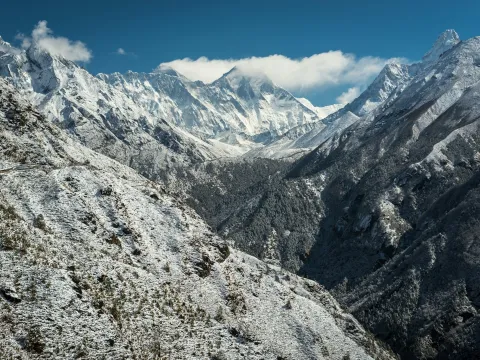
Often known as one of the most challenging treks in Everest region, Everest three pass trek leads us through the realm of Renjo la, Cho la and Kongma la high passes all of which are located in Everest Khumbu region. Everest three pass region lies in the Khumbu region of northeastern Nepal.The three passes trek might be strenuous but rewarding. It offers us all the striking views of snow clad mountains and peaks including Mount Everest, Lhotse, Amadablam, Pumori, Nuptse and Thamserku mountains. Three pass trekking trail also progresses through frozen glacier lakes at different regions.The trek will drive us through various highland villages that are inhabited by ethnic Sherpas who are best known for their bravery and valour. We will get to know the ancient culture, traditions and lifestyle peculiar to the Sherpas. Everest three pass treks is thus the perfect harmony of cultural trek, natural sightseeing trek route. In terms of adventure, it's most probably the World's Number 1 trekking trip.Everest high pass trek is not recommended to all. You will require prior trekking experience to venture for the Everest. You should also have a good stamina and sound energy to venture in there. Else, it might drain you out of your energy. Besides, chances of altitude sickness will always be a potential problem. We will take a 35 minutes flight from Kathmandu to Lukla to reach the Tenzing Hilary airport. The trail progresses through culturally rich highland villages of Namche, Tengboche and Dingboche. We will move through the narrow path stretching through the whitewashed houses and cross the monasteries and Chortens to Gorakshep Lake. We will climb Kongmala pass and reach Everest Base Camp which is located at the base of Mount Everest. We will ascend Chola Pass and travel through Gokyo valley to Ngozumpa Glacier which is the largest glacier system in Khumbu Region.
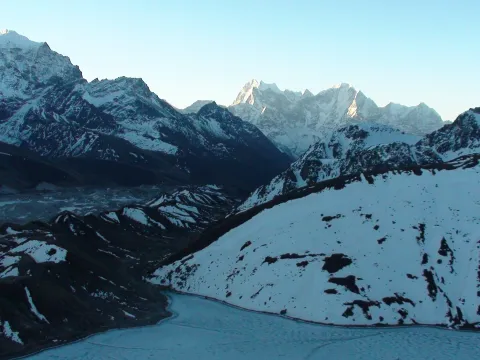
The Chola Pass EBC Gokyo Trek is a bold venture into the heart of the Khumbu/Everest region, establishing a connection between the iconic Everest Base Camp, the serene Gokyo Valley, and the challenging 5,420-meter-high Chola Pass. Along this expedition, trekkers are treated to unparalleled views of Himalayan giants, including the majestic Mt. Everest (8,848 m), Lhotse, Makalu, Amadablam, Kanchenjunga, Nuptse, Mt. Pumori, and more. The route unfolds like a cherished memory, offering a sublime blend of natural beauty, the unique Sherpa culture, dense forests, pristine snowy landscapes, and the formidable high pass. Gokyo Valley, a hidden Himalayan jewel, unravels before trekkers with panoramic views of mountains, glaciers, Gokyo Lake, and other natural wonders. The trek presents opportunities to witness the Sherpa Mani Rimdu Dance, performed in Sherpa monasteries, and engage in the Dumje festival held in April. Notable highlights of the trek include spellbinding mountain vistas, the Sacred Lakes of Gokyo Valley, charming river valleys, colossal glaciers, and the exhilarating traverse of Chola Pass. The Chola Pass EBC Gokyo Trek stands as an extraordinary journey, a harmonious fusion of natural splendor and cultural richness, ensuring an indelible mark on the memory of every adventurer and making it an unforgettable Himalayan odyssey.
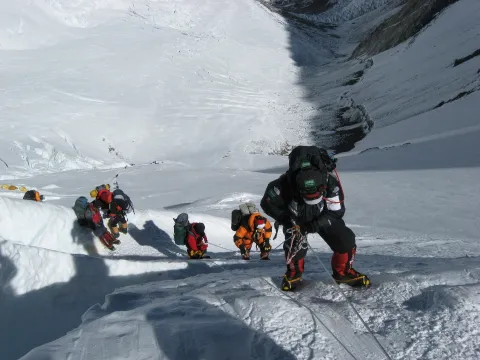
Everest Expedition is an emotional voyage that transcends the mere physical ascent of Earth's highest peak. Standing at the foot of Mount Everest, there's a profound sense of humility and awe—a recognition of the colossal challenge that lies ahead and the storied history that envelopes this iconic summit.The journey unfolds like a novel, each chapter written in the footsteps of legendary climbers and adventurers who have left their mark on the slopes of Everest. As you lace up your boots and begin the ascent, the mountain becomes a living entity, a silent witness to the dreams, aspirations, and the indomitable human spirit that echoes through its icy corridors.The first steps on the Khumbu Icefall are a dance with danger, a ballet of ice seracs that stand as guardians of the higher realms. Emotions run high as climbers navigate this frozen labyrinth, each crevasse and ice tower a reminder of the risks undertaken in the pursuit of conquering Everest's majestic heights.The climb up the Western Cwm is a journey through a glacial amphitheater, where the sheer magnitude of the surroundings evokes a sense of wonder and vulnerability. The ice cliffs echo with the history of those who have dared to venture before, leaving an emotional imprint on the icy canvas of the mountain.Reaching the South Col, at the threshold of the Death Zone, is a poignant moment. Here, the air is thin, and the emotions are thick with the realization that the summit is within reach. The push for the top is not just a physical endeavor; it's a battle against the elements and an exploration of the limits of human resilience.As climbers stand on the rooftop of the world, emotions peak with a blend of triumph, exhaustion, and reverence for the unparalleled views that stretch as far as the eye can see. The prayer flags fluttering in the wind become a silent celebration, a testament to the courage required to reach this hallowed summit.Descending from Everest is a descent not just in altitude but into the depths of self-reflection. The journey back to base camp is a poignant farewell to a mountain that has become more than just rock and ice—it is a symbol of personal growth, triumph over adversity, and the enduring human spirit that refuses to be subdued.An Everest Expedition is not just a climb; it is an emotional saga that unfolds against the backdrop of the world's highest peaks. It is a pilgrimage into the heart of the Himalayas, leaving climbers forever changed and emotionally connected to the majesty of Everest
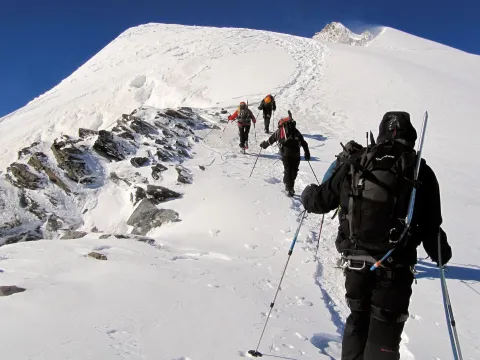
A Journey to the Roof of the WorldNestled in the heart of the Himalayas, Baruntse beckons adventurers with its towering majesty, reaching an awe-inspiring height of 7,129 meters (23,389 feet) above sea level. This expedition isn't merely a climb; it's an ascent to the roof of the world, where the air is thin, and the spirit soars amidst the icy embrace of one of Nepal's formidable peaks.Beyond the physical challenge, the Baruntse expedition offers a unique cultural tapestry. The journey begins in the Sherpa heartland, where prayer flags flutter in the wind, and monasteries echo with the chants of ancient rituals. The warm hospitality of the local Sherpa communities adds a profound layer to the climb, bridging the gap between the climbers and the rich cultural heritage that surrounds Baruntse.As climbers ascend, the landscape transforms from lush valleys to a realm of ice and rock. Baruntse stands as a sentinel amidst the Khumbu region, adorned with glaciers, icefalls, and crevasses that challenge the very essence of human determination. The expedition unfolds against the backdrop of dramatic contrasts – from verdant meadows to the pristine white vastness that defines the upper reaches of the mountain.From the summit of Baruntse, the world unfolds in a panorama that defies description. The peaks of the Himalayan range stretch in all directions, like a congregation of titans whispering tales of ancient times. The emotional crescendo reaches its peak as climbers witness sunrise from this lofty vantage point, where the sky paints the peaks in hues that seem borrowed from dreams.The Baruntse expedition is not a conquest; it's a symphony of emotions played out on the grand stage of the Himalayas. The challenge isn't just in overcoming physical obstacles; it's in embracing the solitude of the icy wilderness, forging bonds with fellow climbers, and conquering the inner peaks of doubt and fear. The summit is not merely a destination; it's a culmination of a journey that delves into the soul and leaves an indelible mark on the human spirit.Baruntse, with its cultural significance, ever-changing landscapes, and panoramic views, is more than a mountain; it's a canvas on which the emotions of each climber are painted with the strokes of determination, resilience, and the sheer joy of reaching for the skies.
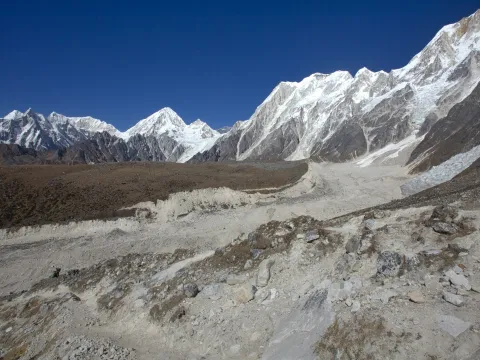
Larkya Peak, standing proudly in the Manaslu region of Nepal, is a captivating destination for mountaineers seeking a thrilling climbing experience. This majestic peak, with an elevation of approximately 6,249 meters (20,503 feet), offers an exhilarating challenge amidst the stunning landscapes of the Himalayas. The climb to Larke Peak is characterized by its demanding yet rewarding nature, making it a desirable choice for both novice and seasoned climbers.The journey to Larke Peak begins with a trek through the picturesque Manaslu Circuit, known for its diverse terrain, lush forests, and authentic Tibetan-influenced villages. As climbers make their way towards the base camp, they are treated to breathtaking views of the surrounding peaks, including the towering Manaslu, the eighth-highest mountain in the world. The route is not only a physical test but also a cultural immersion, as trekkers pass through traditional villages and interact with local communities.Larke Peak climbing demands technical proficiency, as climbers encounter challenging sections that may include ice and rock formations. The ascent provides a unique combination of technical climbing and high-altitude adventure, ensuring a memorable and transformative experience. The climb is typically undertaken with the guidance of experienced Sherpa guides, ensuring safety and support throughout the expedition.The summit of Larke Peak rewards climbers with panoramic vistas of the Manaslu range, Annapurna, Ganesh Himal, and other neighboring peaks. The sense of accomplishment atop this lesser-known gem is immeasurable, creating lasting memories for those who conquer its slopes. The descent retraces the route back to the starting point, allowing climbers to reflect on their achievement while soaking in the natural beauty that surrounds them.In conclusion, Larke Peak climbing is an awe-inspiring adventure that combines the thrill of technical ascent with the natural and cultural wonders of the Manaslu region. This journey is a testament to the indomitable spirit of exploration, attracting climbers from around the world to conquer its heights and immerse themselves in the captivating landscapes of the Himalayas.
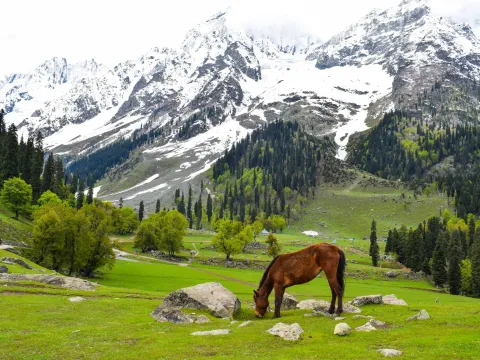
A two-week tour of Kashmir in India promises a captivating exploration of one of the country's most enchanting regions. Nestled in the northern part of India, Kashmir is renowned for its breathtaking landscapes, pristine lakes, and rich cultural heritage. The itinerary for a two-week Kashmir tour is diverse, offering a perfect blend of natural beauty, adventure, and cultural immersion.The journey begins in Srinagar, the summer capital of Jammu and Kashmir. Explore the iconic Dal Lake, often referred to as the "Jewel in the crown of Kashmir," by taking a shikara ride, experiencing the floating markets, and staying in a houseboat for a truly unique accommodation experience. Visit the historic Mughal Gardens, such as Shalimar Bagh and Nishat Bagh, showcasing the region's artistic and architectural legacy.Head to Gulmarg, a pristine hill station known for its meadows and the Gulmarg Biosphere Reserve. Experience the thrill of the Gulmarg Gondola, one of the highest cable cars in the world, offering panoramic views of the snow-capped peaks. Move on to Pahalgam, known for its lush valleys and the Lidder River. Explore Betaab Valley, named after the Bollywood movie "Betaab," and take a stroll along the Lidder River.The second week takes you to Sonamarg, the "Meadow of Gold," surrounded by majestic glaciers and serene lakes. It's an ideal destination for trekking and camping enthusiasts. Embark on the Amarnath Yatra, a pilgrimage to the Amarnath Cave, known for its naturally occurring ice Shiva Lingam. Continue to Yusmarg, a lesser-known gem surrounded by dense forests and meadows, offering a tranquil retreat.Dedicate the latter part of the trip to cultural experiences in Srinagar. Explore the old city, visit the Jamia Masjid and Shankaracharya Temple, and stroll through the narrow, bustling markets. Indulge in local Kashmiri cuisine, savoring specialties like Rogan Josh and Wazwan. Don't forget to shop for exquisite Pashmina shawls, carpets, and traditional handicrafts in the local markets.This two-week Kashmir tour is designed to provide a comprehensive and immersive experience, allowing travelers to appreciate the region's natural beauty, adventure opportunities, and cultural richness.
The Everest Base Camp Trekking (EBC Trek) organized by Ace Holiday Treks is a remarkable journey that unfolds amidst the awe-inspiring beauty of the Himalayas. Commencing with a scenic flight to Lukla, adventurers are greeted with a spectacular backdrop of towering peaks. The trek then weaves through lively Sherpa villages, picturesque terraced fields, and enchanting rhododendron forests. As the trail ascends, the landscape undergoes a mesmerizing transformation, revealing panoramic vistas of Everest, Lhotse, and Nuptse. Cultural immersion is an integral part of the experience, with Namche Bazaar standing as a vibrant Sherpa town bustling with local life. Tengboche Monastery adds a spiritual touch to the journey, surrounded by the grandeur of the mountains. The trek reaches its zenith at Kala Patthar, offering an unrivaled vantage point for spellbinding sunrise views of Everest, a truly surreal moment. The pinnacle of the adventure is the arrival at Everest Base Camp, a symbolic accomplishment where trekkers find themselves standing tall at 5,364 meters (17,598 feet) in the shadow of the world's highest peak (8,848 meters). This moment marks the fulfillment of a dream and a testament to the physical and mental prowess of those who undertake the trek. The trek traverses through Sagarmatha National Park, a UNESCO WORLD HERITAGE site known for its ecological diversity. This leg of the journey introduces trekkers to a rich tapestry of unique flora and fauna, adding a layer of natural beauty to the cultural richness already experienced. With optimal trekking seasons in spring and autumn, spanning 12-16 days, this expedition seamlessly intertwines physical challenge with cultural exploration, resulting in an indelible and unforgettable Himalayan experience. The Everest Base Camp Trekking (EBC Trek), with its unique blend of natural grandeur and cultural immersion, remains an iconic adventure for those seeking the heights of the world.
The Makalu Base Camp Trekking is a very exciting but less-traveled trekking trip along the eastern Himalayas of Nepal. Leading to the base camp of mount Makalu, the world’s fifth-highest mountain (8,485 m), this adventure trekking is perfect for those who are looking for peace of mind, adventure and unspoiled nature that is away from the busy and commercialized trails of like Everest or Annapurna. Along the way, you’ll witness spectacular views of the massive peaks like Makalu, Baruntse, and Chamlang, and you will get opportunity to walk through a variety of landscapes that ranges from green forests and open meadows to rocky, alpine terrain. The route also leads you through remote villages where traditional ways of life are still preserved. The adventure trip to Makalu Base Camp starts with a flight from Kathmandu to Tumlingtar, a small town in Sankhuwasabha, a northeastern district of Nepal. Climbing gradually through terraced fields, subtropical forests, and small settlements, the trail gives you a glimpse into the culture of local communities, including the Rai and Sherpa people. As you climb higher and higher, the scenery becomes more dramatic, with deep valleys, glacial rivers, and steeper paths. The trek reaches its highest point at Makalu Base Camp, around 5,000 meters, where you're rewarded with stunning views of the Makalu range and nearby mountains. This trek is challenging and requires good physical fitness, especially because of the altitude and the remote, rugged conditions. Proper acclimatization at certain points is very important for your health and smooth progress in climbing higher altitudes. In this trekking, trekkers also cross high mountain passes like the Makalu La, which adds a true sense of adventure. Though it demands more effort and determination, the Makalu Base Camp Trek is deeply rewarding, offering breathtaking scenery, a strong sense of achievement, and a genuine connection to the wild, untouched beauty unspoiled Himalayan region of eastern Nepal.