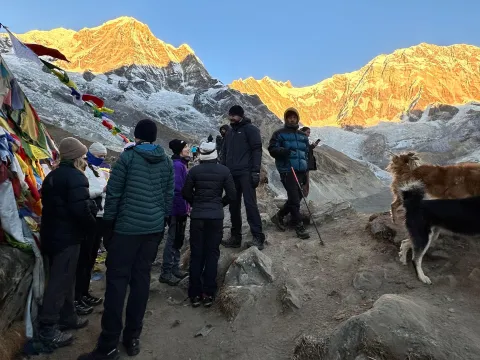
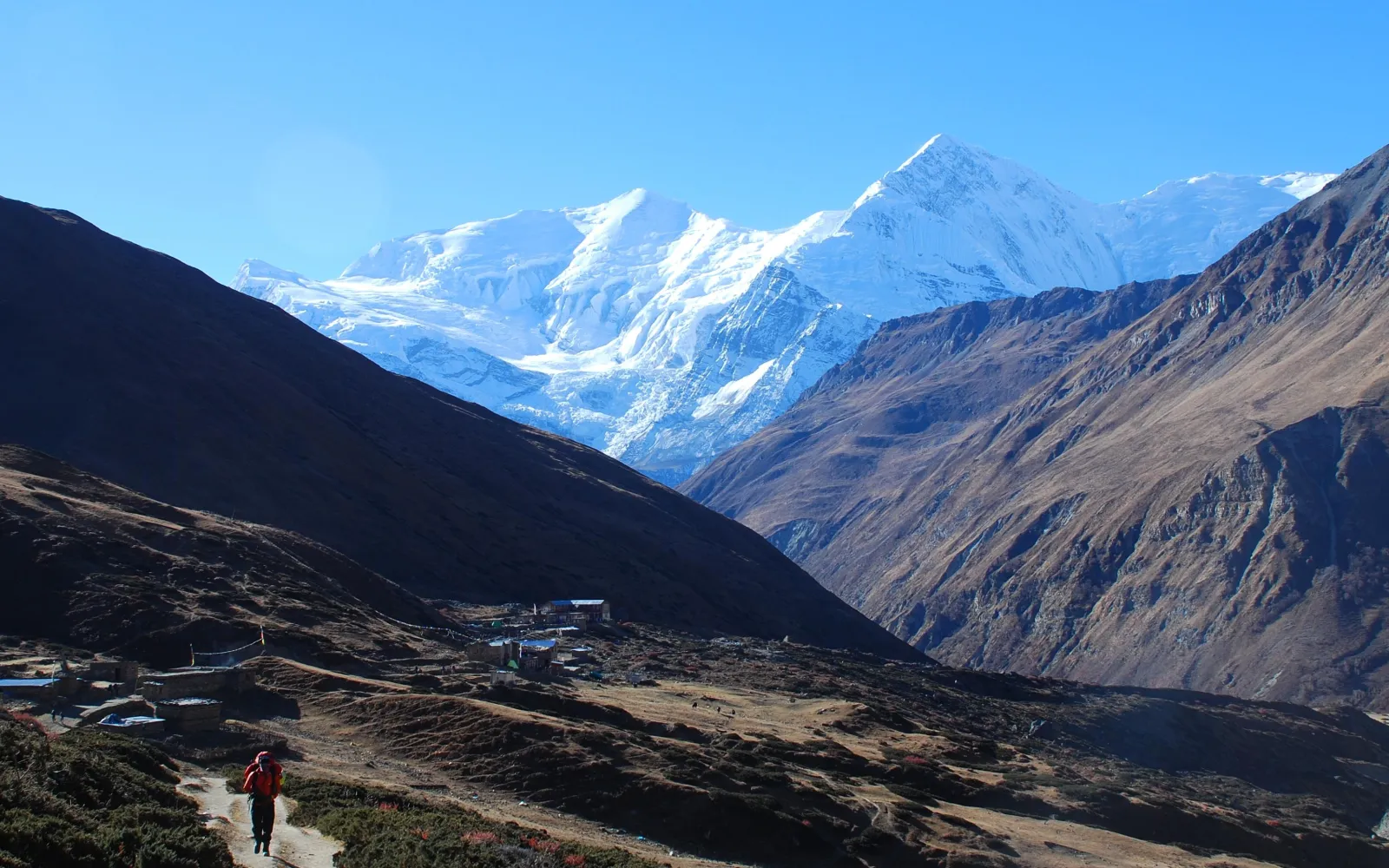
But due to the wide range of elevations (from 800m to 5,416m at Thorong La Pass), choosing the right season for Annapurna Circuit Trekking is essential for both safety and enjoyment. Let’s explore the best and less suitable times of year for this iconic Himalayan trek.
Why spring is one of the best seasons for Annapurna Circuit Trekking:
Spring is one of the most recommended times for Annapurna Circuit Trekking. It offers stable weather, moderate temperatures, and colorful natural scenery—especially in the lower and mid-hill sections of the trek.
What makes spring ideal:
Rhododendron Forests in Bloom: The trail near areas like Tal, Chame, and Lower Pisang becomes vibrant with blooming rhododendrons and wildflowers.
Mild Daytime Temperatures: Daytime is pleasantly warm, especially in lower elevations, while the high mountain areas remain cool but bearable.
Clear Mountain Views: Annapurna II, III, IV, Gangapurna, Tilicho Peak, and Dhaulagiri shine under mostly clear skies.
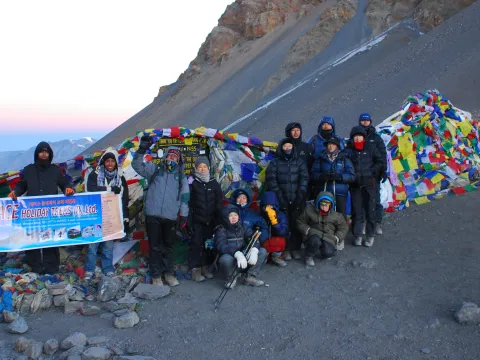
Safe Crossing of Thorong La Pass: Snow conditions are manageable, making it safer to cross the 5,416m Thorong La.
Transportation & Accessibility:
Roads to starting points like Besisahar or Chame are in good condition.
Flights to Pokhara or Jomsom (if exiting that way) are more reliable.
Why autumn is often the best time for Annapurna Circuit Trekking:
Autumn is the most popular trekking season in Nepal, and Annapurna Circuit Trekking reaches its peak charm during this time. After the monsoon rains, the air is fresh, the sky is clear, and the visibility is unbeatable.
Highlights of autumn:
Spectacular Mountain Views: The clearest views of the year—perfect for photography and panoramic appreciation.
Dry Trails: The trail is clean, dry, and easy to follow—ideal for high passes like Thorong La.
Festive Atmosphere: Dashain and Tihar festivals bring color and energy to the villages, especially in the lower Mustang and Manang regions.
Cooler but Comfortable: Days are cool and sunny; nights are chilly but manageable with proper gear.
Transportation:
Roads from Pokhara to Jomsom or Besisahar are fully open.
Domestic flights operate consistently.
Is monsoon trekking possible on the Annapurna Circuit?
Interestingly, while most parts of Nepal receive heavy rainfall during monsoon, parts of the upper Annapurna Circuit lie in the rain shadow (Mustang and Manang areas), making it more accessible than other treks during this season.
Pros:
Green Valleys: The lower hills are lush and beautiful.
Less Crowded: You’ll have the trails and lodges mostly to yourself.
Rain Shadow Benefit: Manang, Upper Pisang, and Muktinath get less rainfall due to the Himalayan barrier.
Cons:
Slippery Trails in Lower Areas: Sections near Besisahar, Chame, and Tal can be muddy and infested with leeches.
Flight & Road Disruptions: Landslides and roadblocks are common, especially between Pokhara and Besisahar.
Poor Visibility: Clouds often obscure mountain views.
For experienced trekkers only: Monsoon treks require flexibility, waterproof gear, and a higher tolerance for uncertainty.
Winter brings both beauty and danger to the Annapurna Circuit.
What to expect in winter:
Peaceful Trails: Very few trekkers, giving a serene and untouched feel to the trail.
Snow-Capped Scenery: The views are breathtakingly white and clean, especially in Manang and Muktinath areas.
Extreme Cold: Temperatures can fall below -20°C at Thorong La and surrounding regions.
High Pass Conditions: Thorong La Pass may be blocked by snow or dangerous to cross due to wind and icy trails.
Who should consider it:
Experienced trekkers with strong cold tolerance and proper winter gear.
Those looking for solitude and a more raw Himalayan experience.
Logistics:
Roads are open but can be icy or snow-covered.
Lodges may be limited or closed in higher altitudes like Thorong Phedi.
| Season | Ideal For | Weather | Scenery | Trail Conditions | Crowds |
| Spring (Mar–May) | All trekkers, flower lovers | Warm, stable | Blooming forests, clear peaks | Excellent | Moderate |
| Autumn (Sep–Nov) | Everyone | Dry, cool | Best mountain clarity | Perfect | Moderate–High |
| Summer (Jun–Aug) | Experienced trekkers | Wet, humid | Green valleys, limited views | Muddy in low areas; dry in rain-shadow | Low |
| Winter (Dec–Feb) | Adventurous & well-prepared | Cold, snowy | Snowy and clear in upper zones | Icy, risky high passes | Very low |
The best seasons for Annapurna Circuit Trekking are spring (March–May) and autumn (September–November). These months offer the most stable weather, reliable trail access, and majestic scenery for one of the best trekking trails in the world.
However, for experienced trekkers, both monsoon and winter can offer a unique, off-the-beaten-path version of the circuit—just with more challenges and preparation required.
Whether you choose the lush spring, the golden autumn, the rainy green monsoon, or the snowy silence of winter—Annapurna Circuit Trekking is sure to leave you transformed.
Nepal, a landlocked country nestled in the heart of the Himalayas, is renowned for its stunning landscapes, rich culture, and warm hospitality. With eight of the world's fourteen highest peaks, including Mount Everest, Nepal attracts adventurers and travelers from around the globe.
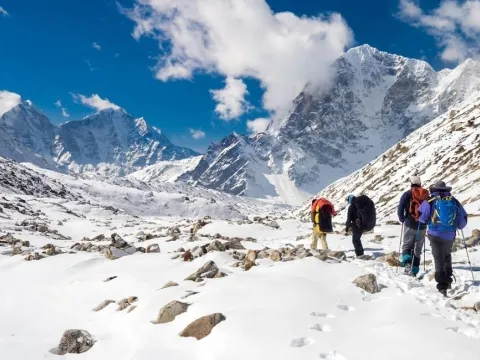
The Everest Region, renowned for its breathtaking landscapes and rich Sherpa culture, offers some of the most iconic trekking routes in the world. One of the most popular is the trek to Everest Base Camp, which typically begins in the vibrant town of Lukla.
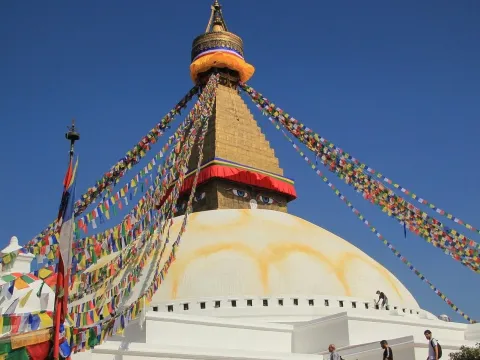
Nepal, a land of stunning landscapes and rich cultural heritage, offers a diverse range of tour destinations that promise unforgettable experiences in 2024. One of the most iconic places to visit is Kathmandu, the bustling capital city. As a melting pot of history and modernity, Kathmandu is home to several UNESCO World Heritage Sites, including the historic Durbar Square, which showcases exquisite temples and palaces reflecting the artistry of ancient Nepal.
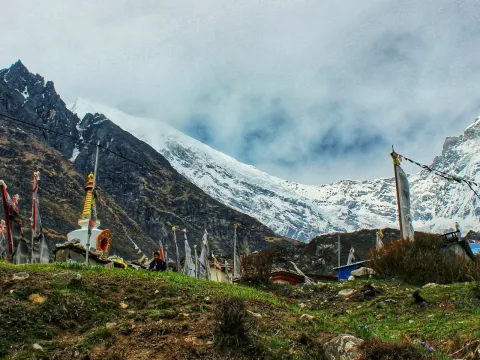
The Langtang Region, located in the northern part of Nepal, is a stunning trekking destination that offers breathtaking views, diverse landscapes, and rich cultural experiences. The region is known for its proximity to the Langtang National Park, which is home to unique wildlife and lush forests, as well as the majestic Langtang Lirung (7,227 meters).
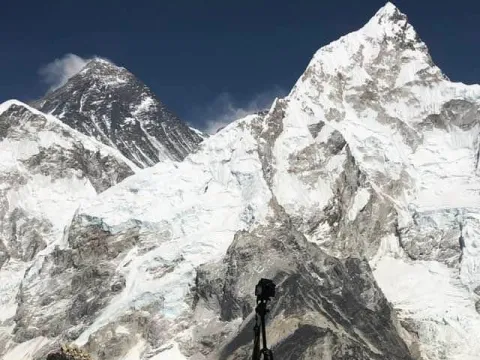
Discover why Everest Base Camp Trekking is the world’s top adventure trekking—breathtaking views, Sherpa culture, and a life-changing Himalayan journey.
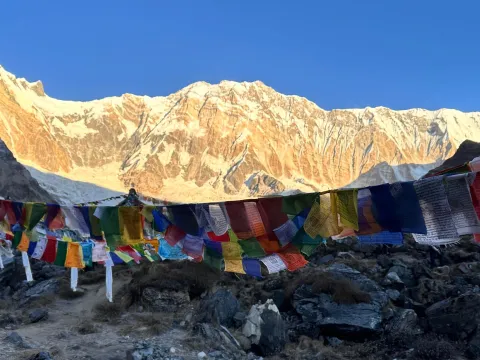
Discover why Annapurna Base Camp is Nepal's most loved trek — panoramic mountain views, rich culture, hot springs, and practical tips to plan your own journey.
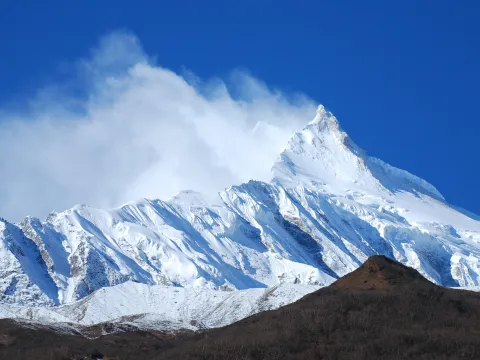
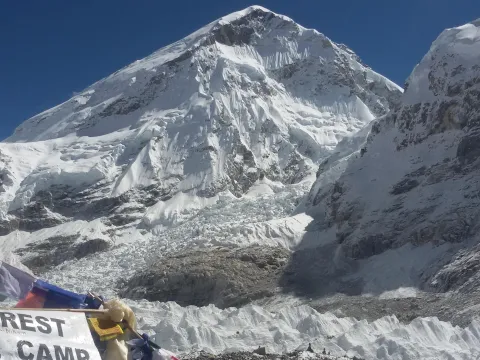
The best seasons for Everest Base Camp Trekking