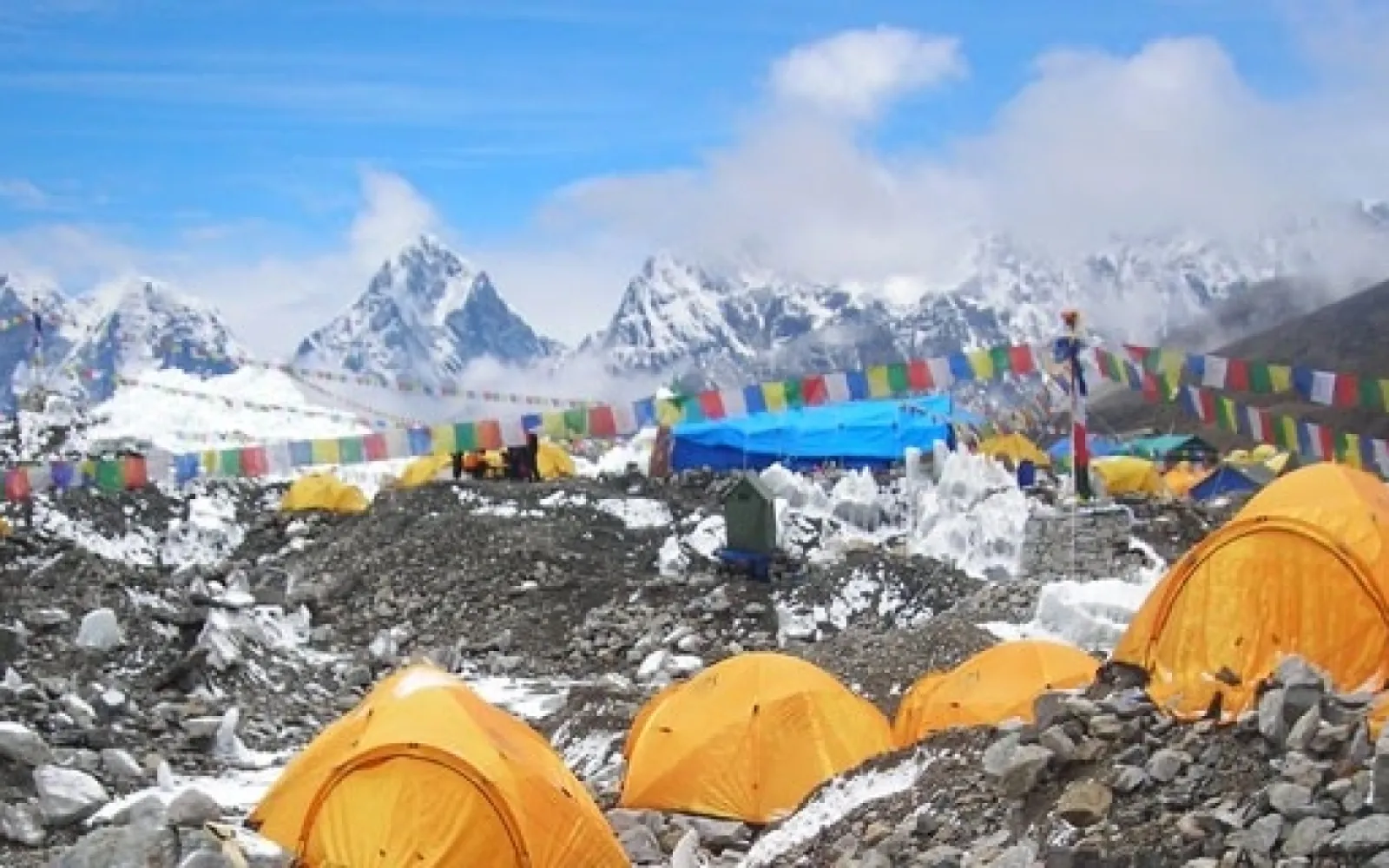
Climbing a Himalayan peak is a dream for many adventurers or mountaineers around the world, but not every peak is suitable for first-timers or those on a limited budget. Among the numerous options for peak climbing in Nepal, Island Peak stands out as one of the most accessible and rewarding climbing peaks. Also known as Imja Tse, Island Peak is located in the heart of the Everest region and offers the perfect balance of accessibility, physical challenge, high-altitude experience and affordability. Whether you are looking for your first Himalayan summit or aiming to combine trekking with climbing, Island Peak is an ideal choice.
Island Peak rises to 6,189 meters (20,305 ft) and sits amid a sea of glaciers and towering peaks. British explorers gave it the English name after it appeared to float like an island in a sea of ice when viewed from Dingboche. It's one of 33 official trekking peaks permitted by the Nepal Mountaineering Association (NMA), and its rising popularity comes from offering a genuine taste of Himalayan mountaineering without extreme technical risk.
Its location is a major draw: Island Peak sits close to the classic Everest Base Camp trail, so climbers can combine an EBC trek with a real mountaineering summit in a single trip one of the most fulfilling adventures available in the Khumbu region.
Yes, Island Peak is widely considered one of the most beginner-friendly climbing peaks in Nepal, ideal for physically fit trekkers ready to take the next step. The ascent involves basic mountaineering skills:
No advanced climbing technique is required, which makes it achievable even with little or no prior mountaineering experience.
Most climbers acclimatize naturally by following the Everest Base Camp trek itinerary on the way in, which sharply reduces altitude sickness risk. By the time they reach Island Peak Base Camp, they're well-prepared for the final summit push especially with experienced guide support.
When compared to higher and more technical mountains, Island Peak is considered a budget-friendly climbing expedition in Nepal.The overall cost is significantly lower than expeditions to Everest, Ama Dablam, or other 7,000 to 8,000-meter peaks. Climbers can join group departures (when available) or Ace Holiday Treks can organize a private expedition at a reasonable price that typically includes:
Its affordability makes Island Peak especially attractive to students, solo travelers, or small groups who want to experience real Himalayan climbing without spending tens of thousands of dollars. This combination of low cost and high reward is one of the key reasons Island Peak remains as the top choice for those looking for a cost-effective adventure in the Nepal Himalayas.
One of the biggest advantages of Island Peak is pairing it with the legendary Everest Base Camp trek. Most climbers use the EBC route for acclimatization, passing through Sherpa villages like Namche Bazaar, Tengboche, and Dingboche gaining altitude gradually while soaking in Everest-region views and Sherpa culture.
Reaching the Everest Base Camp is already a milestone for many, but topping it off with a successful Island Peak climb makes the experience even more fulfilling. After spending time at the base camp and Kala Patthar, climbers head toward Chhukung and then Island Peak Base Camp for summit preparation. This itinerary not only enhances acclimatization but also deepens the connection with the region’s natural beauty and spiritual culture.
Climbing Island Peak rewards adventurers with one of the most breathtaking panoramic views in the Himalayas. From the summit, climbers enjoy a sweeping 360-degree vista that includes some of the world’s highest mountains. Towering just behind Island Peak is the massive south face of Lhotse, while the views extend to Nuptse, Makalu, Baruntse, and the majestic Ama Dablam. The surrounding glaciers and deep valleys create a landscape that is both humbling and awe-inspiring.
Standing on the summit of Island Peak is a life-changing moment. The sense of achievement, combined with the raw natural beauty, is something that stays with climbers forever. It is not just about reaching the top; it is about the entire journey through forests, valleys, ridgelines, and glaciers that makes the experience unforgettable.
Climbers embarking on the Island Peak expedition benefit from excellent infrastructure and logistics. The journey starts with a short flight from Kathmandu to Lukla, followed by a well-established trekking route through the Sagarmatha National Park. There are plenty of teahouses and lodges along the way, offering hot meals and cozy rooms, making the trek comfortable even in remote terrain.
In addition, Ace Holiday Treks has a strong network of professional trekking and climbing guides who are trained and licensed to support climbers throughout their journey. In most cases, equipments are available in our company or with our guides. Also, equipment rental is easily available in Kathmandu or Namche Bazaar, and Ace Holiday Treks provides full logistical support, including porters, kitchen staff, and emergency backup. This high level of support makes Island Peak not only achievable but also safe and enjoyable.
Climbing Island Peak is not just a physical achievement; it is also a deeply cultural and spiritual journey. Along the way, trekkers encounter the rich traditions of the Sherpa people, visit ancient Buddhist monasteries, spin prayer wheels, and walk past fluttering prayer flags on suspension bridges. The region is home to centuries-old religious practices that add a unique dimension to the adventure.
At places like Tengboche Monastery, climbers can witness morning chanting rituals and immerse themselves in the peaceful energy of the mountains. The blend of sacred landscapes, warm hospitality, and high-altitude adventure creates a spiritual richness that makes the Island Peak climb truly transformative.
The best time to climb Island Peak is during the spring (March to May) and autumn (September to November) seasons. These months offer stable weather, clear skies, and moderate temperatures, which are ideal for both trekking and climbing. Winter climbs are possible but more challenging due to snow and cold, while the monsoon season is generally avoided due to rain and poor visibility.
To climb Island Peak,Two permits are required:
Both are easily arranged through a licensed trekking agency like Ace Holiday Treks.
Is Island Peak climbing difficult for beginners?
It's considered one of the easier trekking peaks in Nepal, but it still requires good fitness and basic mountaineering skills like using crampons and fixed ropes. No prior climbing experience is required with proper guide support.
How long does the Island Peak climbing trip take?
Most itineraries combining Island Peak with the Everest Base Camp trek run 18–21 days, depending on the route and acclimatization schedule.
Do I need climbing experience for Island Peak?
No formal climbing experience is required. Guides teach the necessary rope and crampon techniques during the trek, though good physical fitness is essential.
Join a professionally guided, fully supported expedition with Ace Holiday Treks, Kathmandu Nepal experts in budget peak climbing in Nepal with over two decades of experience.View the Island Peak Climbing Itinerary or get in touch to request information for your group trip or private customized trip.
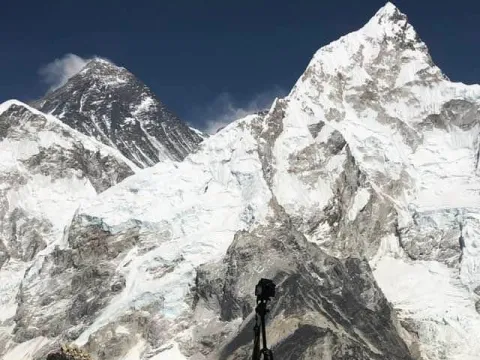
Discover why Everest Base Camp Trekking is the world’s top adventure trekking—breathtaking views, Sherpa culture, and a life-changing Himalayan journey.
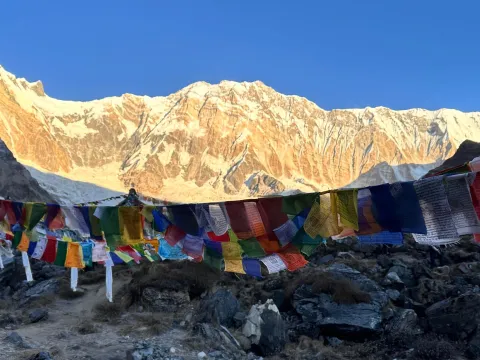
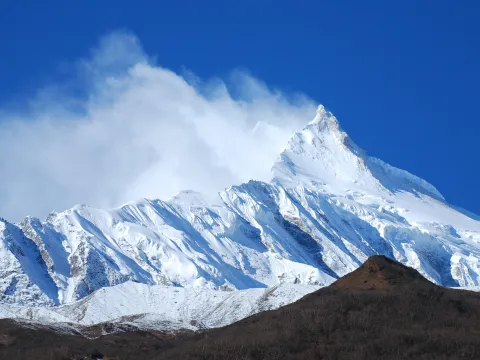
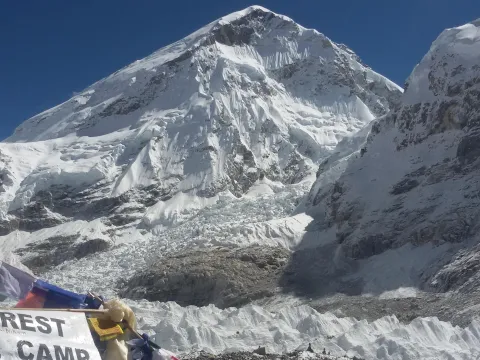
The best seasons for Everest Base Camp Trekking
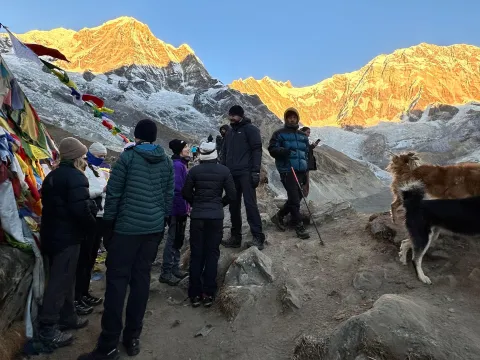
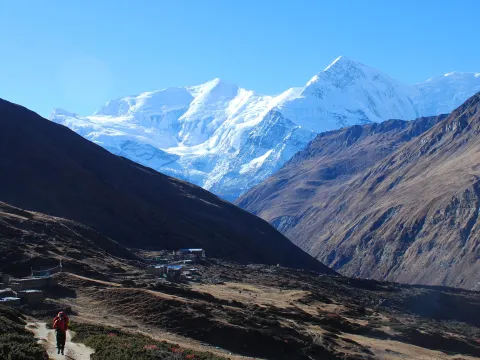
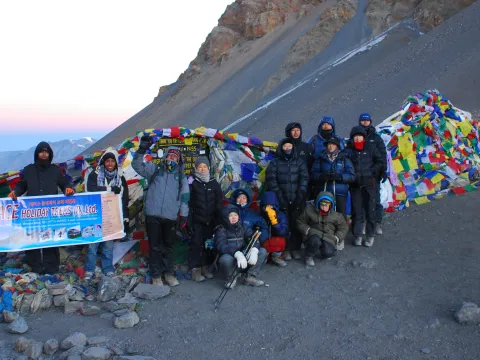
Annapurna Circuit Trekking is often hailed as the best trekking trail in the world—and for good reason. With dramatic shifts in landscape, culture, and altitude, it offers an unmatched diversity of experience.
A Hidden Himalayan Gem Just Hours Away from Kathmandu
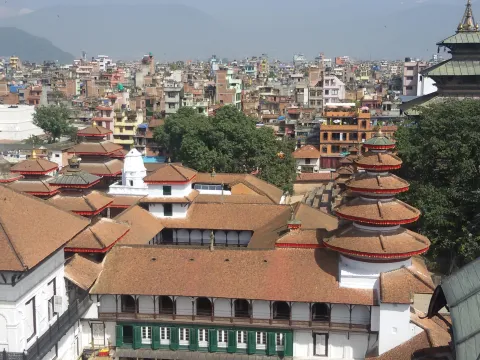
A Timeless Holiday Destination Where History, Culture, and Himalayas Converge
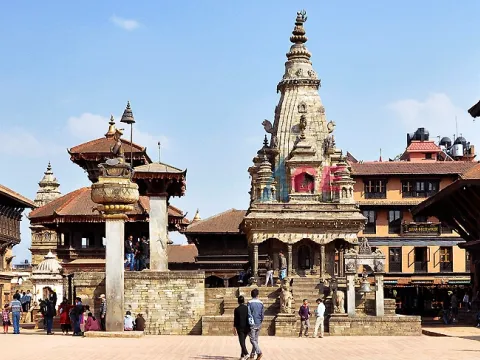
Nestled in the lap of the Himalayas, Nepal is far more than just a land of towering peaks and serene valleys. It is a timeless spiritual sanctuary, a land where ancient wisdom, vibrant rituals, and sacred architecture come together to create a divine atmosphere. For Hindus and Buddhists from across the globe, Nepal is not just a destination - it's a journey into the soul of two of the world's oldest living faiths.